Gift & Specialty
Luxury Gift Box Packaging: A Guide for Corporate Gifting, Hampers & Seasonal Sets
Gift packaging is the one category where the box isn't protecting a single product type — it's protecting a moment. A corporate gift box, a wine presentation case and a holiday hamper all solve the same underlying problem: making a collection of items (or one special item) feel considered the second the recipient sees it, before anything inside is unwrapped.
That variety is also what makes sourcing this category harder than a single-product line. This guide walks through the structures, closures and inserts that actually matter for corporate gifting, wine and spirits, seasonal campaigns and multi-item hampers, plus the lead-time planning that keeps a holiday order from becoming a scramble.
Gift packaging isn't one structure — it's four different jobs
"Gift box" covers more structural variety than almost any other category in this catalog, because what's inside varies so much: a single premium item, a bottle, a curated set of several different products, or a themed seasonal assortment.
| Use case | Typical structure | Why |
|---|---|---|
| Single premium item (watch, accessory, candle) | Magnetic-flap rigid box with ribbon or emblem | One hero reveal moment; the box itself is the gift wrap |
| Wine, spirits or oil bottles | Rigid box with cushioned bottle compartments | Real weight to carry; compartments prevent bottle-on-bottle contact in transit |
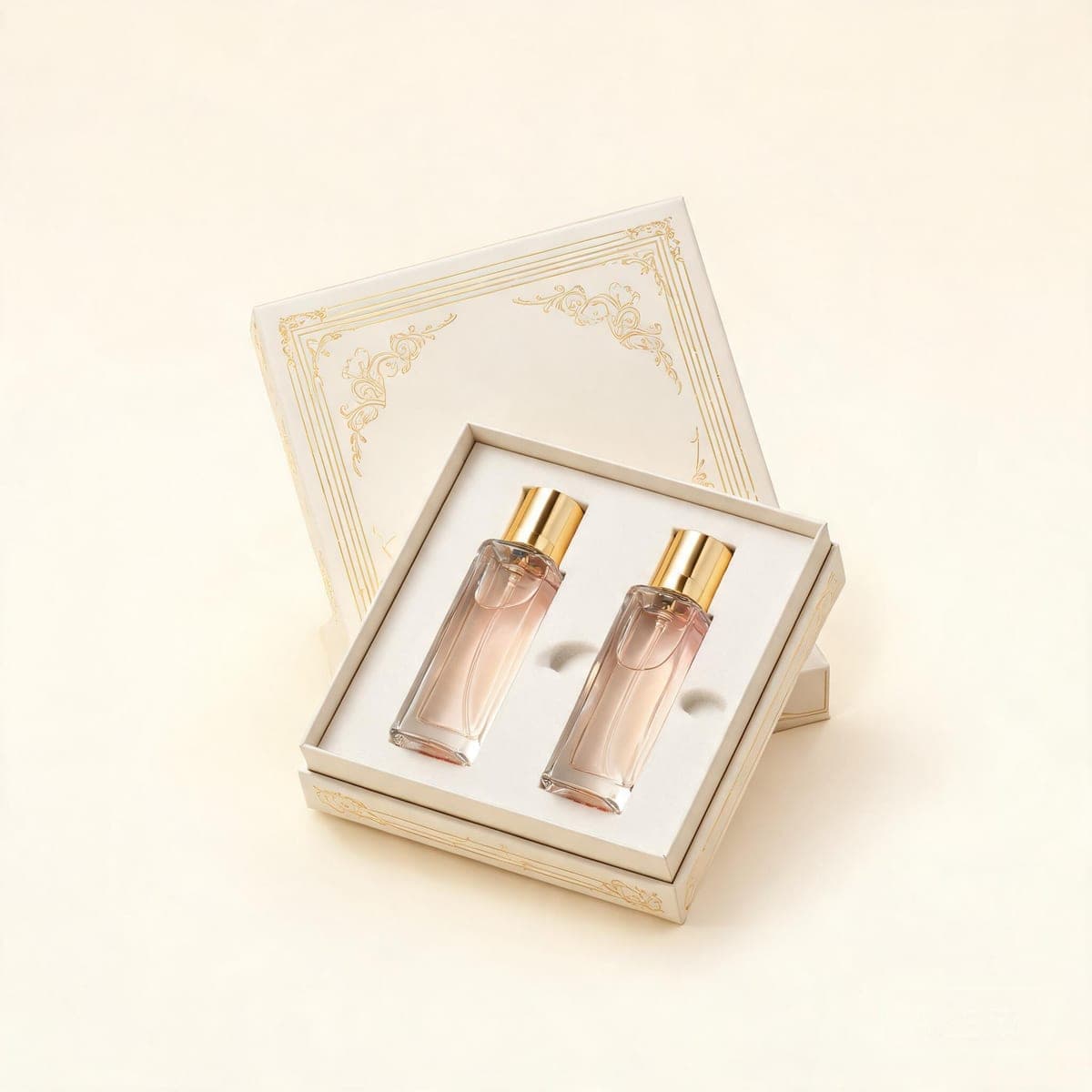
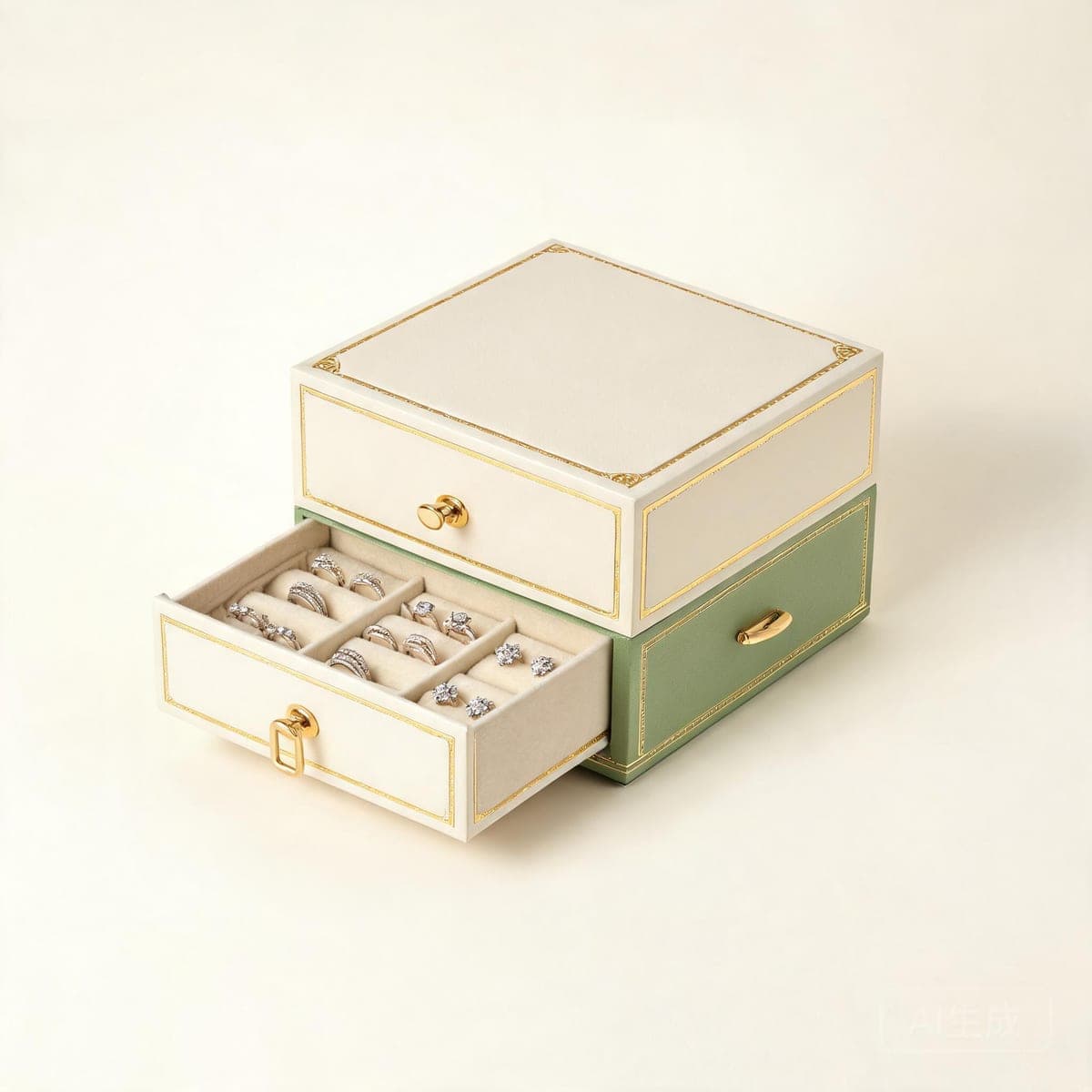
| Corporate gift sets (2–5 items) | Rigid set box with a fitted tray or foam insert | Different item shapes need individually sized wells, not a generic divider |
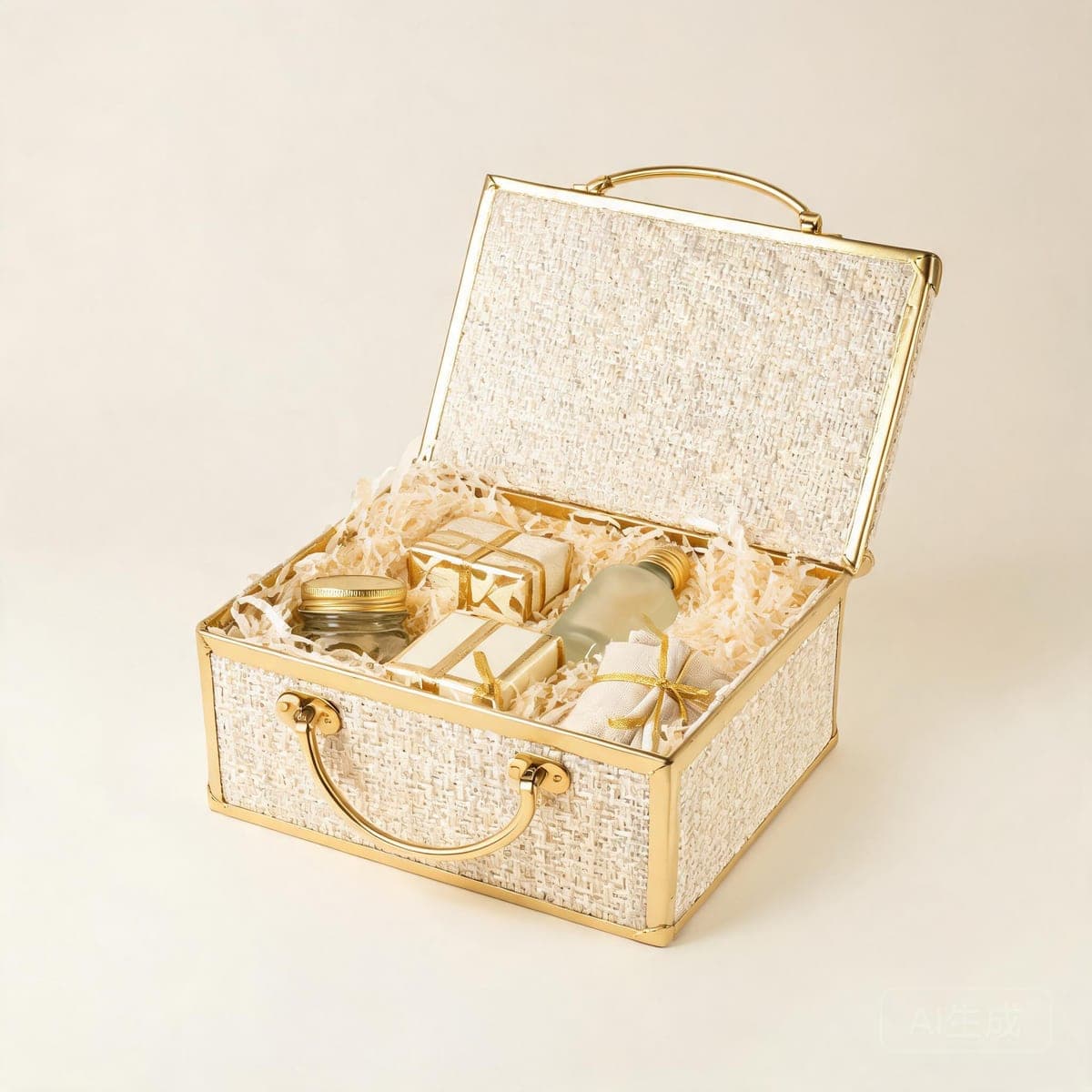
| Curated hampers (5+ varied items) | Handled rigid hamper box with a multi-compartment tray or divider system | Heaviest and most varied payload of the category; needs a carry handle and a tray engineered for mixed shapes |
| Seasonal/holiday runs | Standard lid-and-base or magnetic box in festive colorways | Usually reuses an existing dieline with a seasonal print and foil swap to avoid new tooling cost |
Closures: ribbon, magnet or both
The closure is the first thing a recipient's hands do with the box, so it carries more weight here than in almost any other category — it's the texture of the "opening" moment.
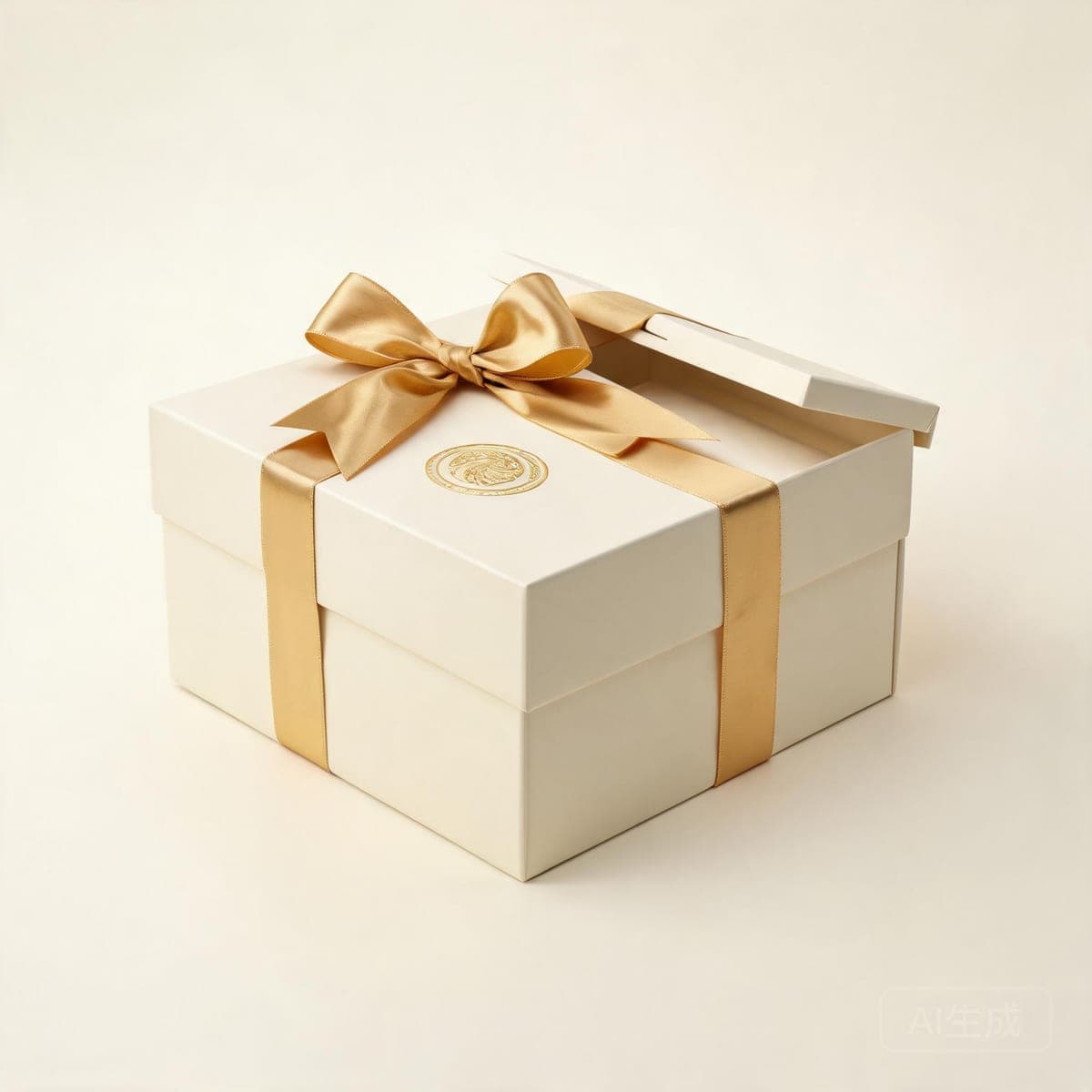
- Magnetic flap — clean, reusable, feels premium with no extra assembly step; best for single-item boxes that may be reopened and reused as storage
- Satin ribbon tie — the classic gifting cue, inexpensive to add, and works on almost any lid-and-base structure without changing the dieline
- Ribbon + magnet combined — common on flagship corporate gift boxes, where the magnet does the functional closing and the ribbon is purely ceremonial
- Handle + friction lid — the standard for hampers, where the box also functions as a carry case, not just a container
A good rule for a multi-SKU gifting line: pick one closure language (ribbon color, magnet placement, emblem style) and keep it consistent across sizes. Buyers notice when a brand's small box and large box look like they came from different companies.
Inserts: the part that actually protects a varied gift
A single-product box can get away with a simple foam collar. A gift set or hamper lives or dies on its insert, because it's usually holding items of different weights, shapes and fragility in one box.
- Precision-cut foam or molded pulp trays with individually sized wells — the default for multi-item sets where each product needs its own cavity
- Cushioned bottle compartments for wine, spirits and oils, sized to the exact bottle diameter and height, not a generic round slot
- Fabric-wrapped or paperboard dividers for hampers, which separate items by category (food, textiles, candles) without needing a custom mold for each
- Shred, tissue or crinkle paper as fill around an insert — low cost, and it's also part of the visual reveal when the lid lifts
Test every insert with the heaviest real combination of contents, not the lightest. A hamper insert that holds a candle and a small card beautifully can still fail with a bottle and a ceramic mug in the mix — size the tray to the heaviest configuration you'll actually ship.
Corporate gifting has its own rules
Corporate orders differ from retail gifting in three practical ways that affect how you should spec and order the box.
- Volume comes in bursts around specific dates (year-end, a product launch, a conference) rather than steadily — plan lead time around a hard delivery date, not an average
- Branding is usually restrained — a single foil logo rather than full-color graphics — because the box often needs to suit multiple recipient contexts, not one retail shelf
- A lower per-recipient cost ceiling than retail luxury gifting is common, which usually means keeping to one finish (foil or emboss, not both) and a mid-weight board rather than the heaviest option
Planning lead time around seasonal demand
Gift packaging is the category most exposed to calendar risk — holiday, Lunar New Year, Valentine's and corporate year-end gifting all compress demand into a few weeks, and factories everywhere are busiest at exactly the same time.
| Milestone | When to act |
|---|---|
| Dieline & structure lock | 3–4 months before the ship date, for any new box shape |
| Sample approval | 10–14 working days after dieline sign-off — don't skip this for a seasonal reprint of last year's box |
| Production order placed | At least 6–8 weeks before you need stock in hand, earlier in Q4 |
| Reorder buffer for a successful seasonal SKU | Place a conservative reorder before you've sold through 70% of the first batch — seasonal reprints queue behind every other brand's holiday order |
Key Takeaway
Gift packaging covers four different jobs — single-item, bottles, corporate sets and hampers — and each wants a different insert strategy, not just a different print. Lock structure early, test inserts with your heaviest real combination of contents, and build in a 6–8 week production buffer before any seasonal deadline.
Frequently asked questions
Can one dieline work for both a corporate gift box and a retail holiday box?
Often yes — the same rigid structure can carry a restrained single-foil corporate print one season and a festive full-color wrap the next, as long as the box size and insert don't need to change. That reuse is exactly how most seasonal gift lines keep tooling costs down.
How do I keep bottles from clinking in a wine or spirits gift box?
Precision-cut foam or molded-pulp compartments sized to the bottle's exact diameter, with a raised lip around each slot. Generic round cutouts that are slightly oversized are the most common cause of in-transit chips and label scuffing.
What's the minimum order for a hamper-style box with a custom tray?
Typically higher than a single-item box — usually starting around 300 pieces — because the tray tooling is more complex. A simpler divider system (rather than a fully molded tray) can sometimes bring the minimum down.
How far ahead should I order for a holiday launch?
Lock the dieline 3–4 months out for a new structure, and place the production order at least 6–8 weeks before you need stock, earlier if it's a Q4 holiday run — that's when every factory's capacity is tightest.
Explore related pages
Ready to create your packaging?
Send us your box type, quantity and dieline — we reply with a custom quote within one business day.
Request a Quote