Perfume & Cosmetics
Perfume & Cosmetic Box Packaging: A Complete Buyer's Guide
Fragrance and cosmetic packaging carries more weight than almost any other category — literally, since it usually holds glass, and figuratively, since the box is the first physical signal of a price point the customer hasn't confirmed by touching the product yet. A candle buyer can smell the product before they decide it's worth the price. A perfume customer, especially online, judges the whole experience by the box before the cap ever comes off.
This guide walks through the decisions that matter most when sourcing rigid packaging for perfume, skincare and cosmetic gift sets: structure, glass protection, finish selection, keeping a multi-SKU line consistent, and the cost and timeline trade-offs behind each choice.
Why fragrance and cosmetics default to rigid, not folding cartons
Folding cartons are cheaper and ship flat, which is why they dominate mass-market cosmetics. Rigid boxes cost more per unit but do three things a folding carton cannot: they protect glass under stacking pressure, they carry foil and emboss cleanly on a flat, stable panel, and they signal a price point the moment the customer picks the box up, before it's even opened.
The category split is fairly clean: mass-market and drugstore lines lean folding carton; prestige, niche and indie fragrance, and premium skincare, lean rigid. If your retail price sits above roughly $40–50, the packaging cost differential is usually small relative to the perception gap between the two structures.
Structures by product type
Perfume, skincare and cosmetics aren't one packaging problem — a bottle, a jar and a multi-item set each want a different structure.
| Product | Common structure | Why |
|---|---|---|
| Single perfume bottle | Lid-and-base box with a fitted cushion | A separate lid lifts straight off, which suits a reveal moment for a single hero object |
| Single skincare jar or tube | Magnetic flap box or slim two-piece carton | Lower profile than a perfume box; often ships in higher volumes so cost per unit matters more |
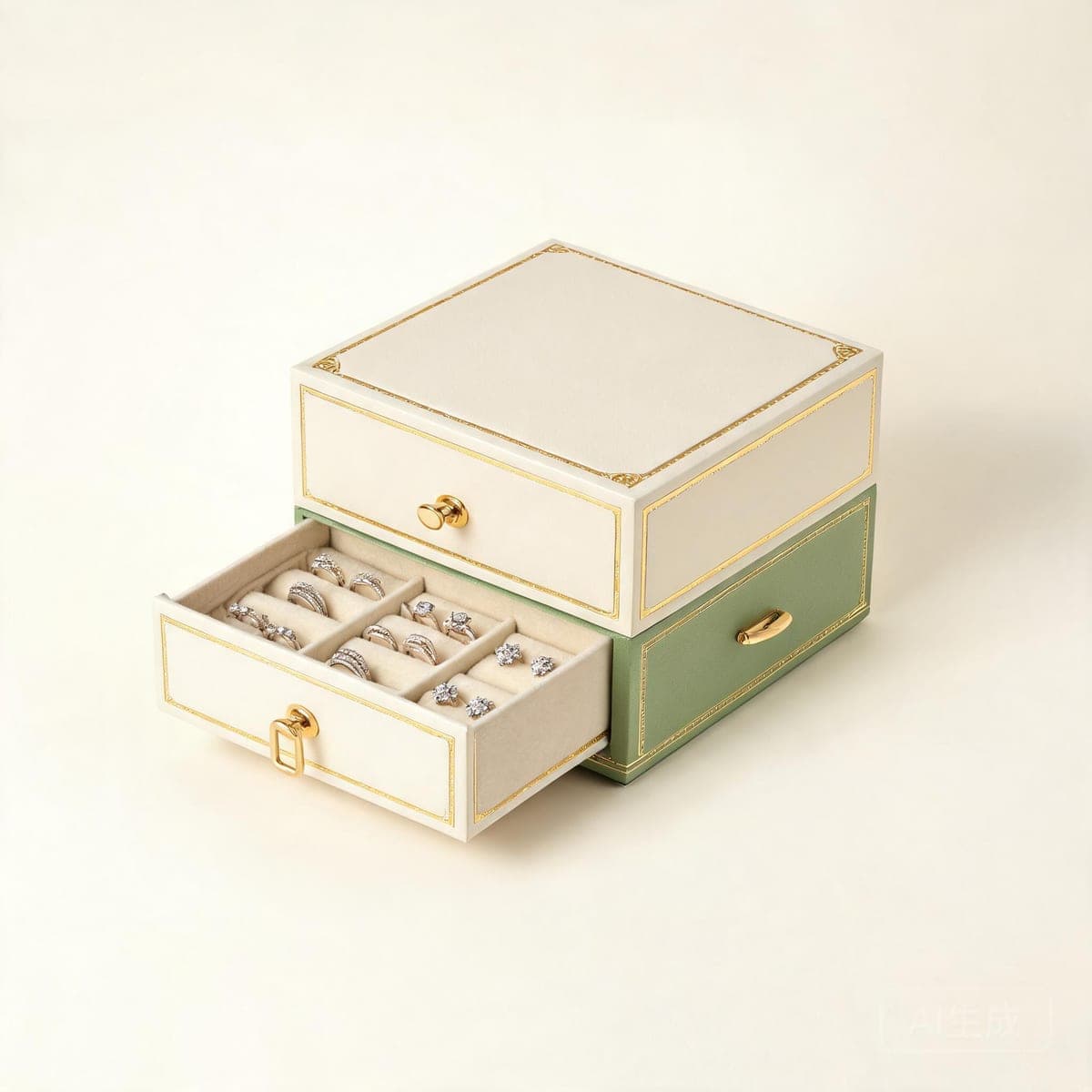
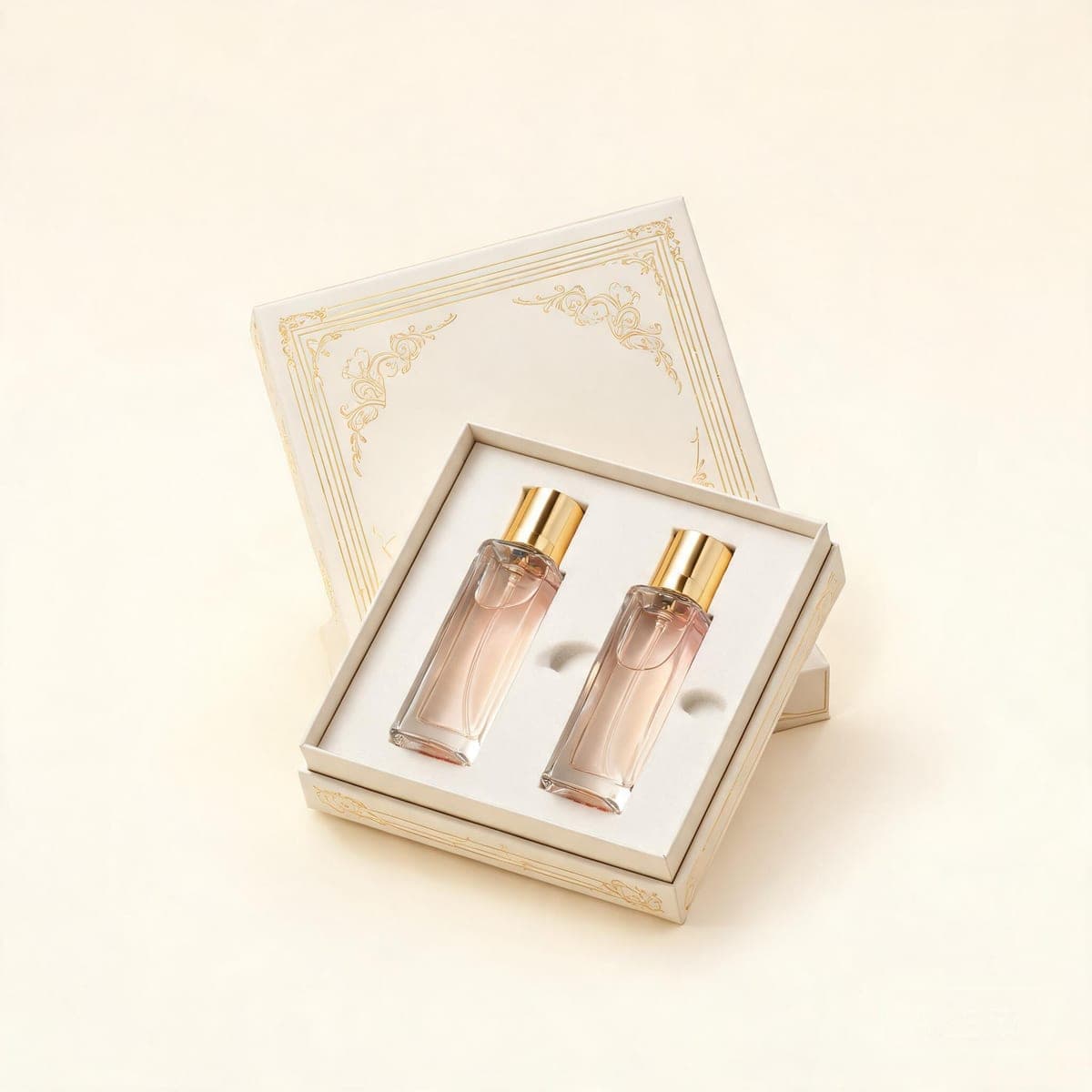
| Multi-bottle fragrance set | Book-style or drawer box with a cut tray | Structure itself becomes part of the reveal — opening the box is a sequence, not a single action |
| Cosmetic gift set (serum + cream + tools) | Two-piece box with a multi-well tray | Different item shapes need individually sized wells, which a tray does better than a flat divider |
| Travel or sample set | Slim drawer or slipcase | Lower per-unit board cost for a set that's often given away or bundled as a gift-with-purchase |
Protecting glass: the problem specific to this category
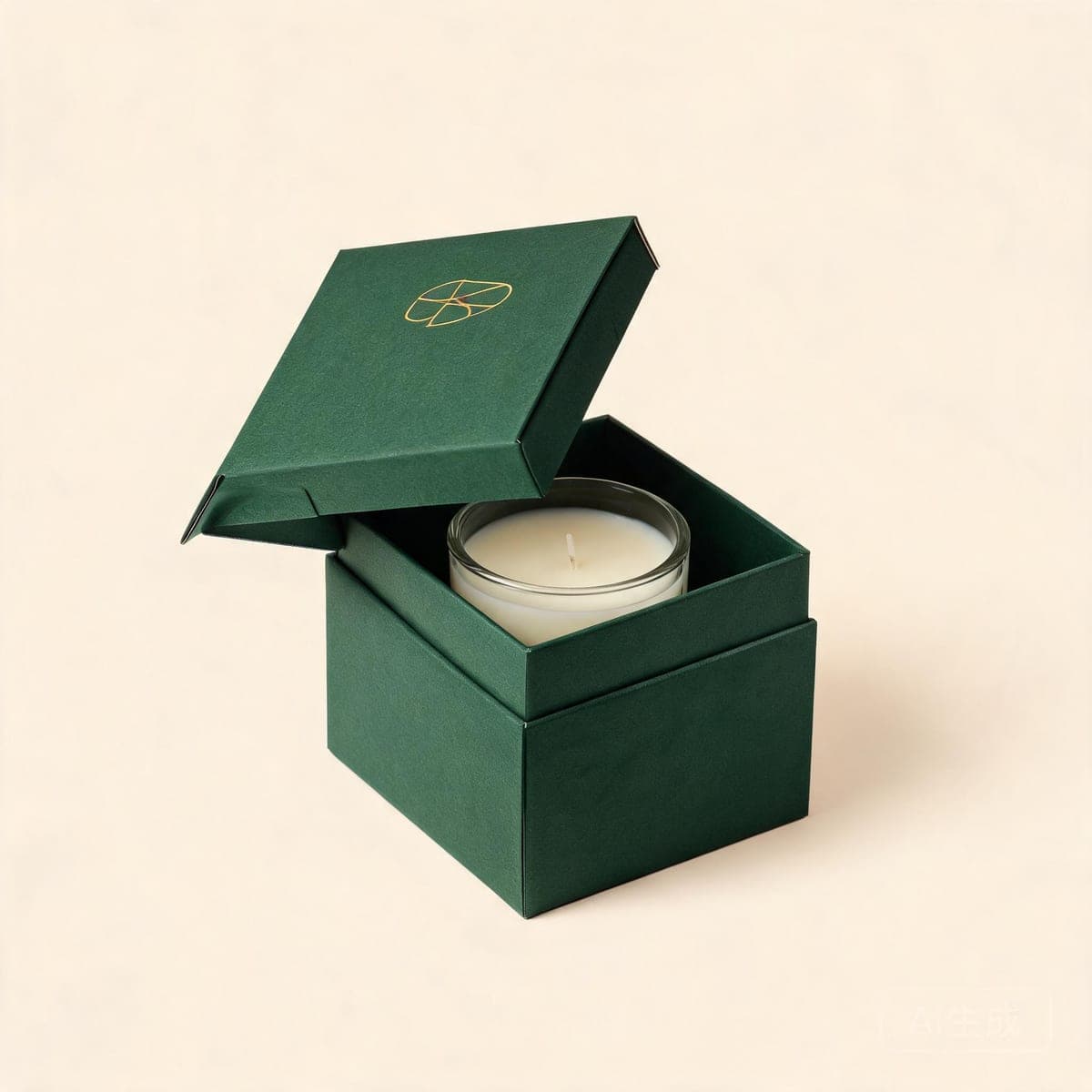
Perfume and many skincare products ship in glass, which candle boxes also deal with — but a perfume bottle is often taller, narrower and more top-heavy than a candle jar, and the atomizer or dropper cap adds a fragile protrusion a simple foam block won't clear.
- A cushion cut to the bottle's exact silhouette, not a generic circular well, prevents the bottle from rocking against the atomizer
- Satin or velvet-wrapped foam reads as premium and cushions better than bare board or thin foam
- For multi-bottle sets, individual wells stop bottles from knocking together — shared compartments are the most common cause of chipped glass or cracked caps
- A raised lip or collar around the well catches the bottle if the box is tipped during unboxing, not just during transit
Always test with the actual filled bottle, not an empty one — the balance point changes once liquid is inside, and that's when a marginal insert design fails.
Materials and finishes that read as prestige
This category rewards restraint more than any other. A fragrance box with too many finishing techniques competing for attention reads as trying too hard; the prestige tier of the market consistently uses one or two decorative moves, executed precisely, on a clean base.
| Element | Prestige-tier choice | Effect |
|---|---|---|
| Base material | Coated art paper, 2.0mm board | Sharp colour, substantial hand-feel |
| Brand name | Hot foil, gold or a colour-matched metallic | The single most common finish across the category — legible at a glance, reads as considered |
| Body finish | Matte lamination | Understated background that lets foil or a logo mark stand out by contrast |
| Accent (optional) | Spot UV on a logo mark only | Adds shine without adding a second full-coverage finish |
| Interior | Satin or velvet cushion, sometimes a printed lining | The interior is where a fragrance box can afford a second colour or pattern the exterior avoids |
Keeping a multi-SKU line consistent
Fragrance and cosmetic brands rarely order one box — they order a range: several fragrances or shades sharing one structure with different colourways, plus a gift set that has to visually belong to the same family.
- Lock the dieline once across the range and vary only colour, foil and label copy between SKUs — this keeps tooling cost down and guarantees every box in the range fits together on a shelf
- Specify Pantone codes, not colour names, for every SKU so a factory reprint six months later matches exactly
- Order colour-matched inserts (satin, velvet) at the same time as the boxes — insert fabric dye lots can shift slightly between orders placed months apart
- If a gift set combines two or three single-SKU products, confirm the gift set's exterior finish matches the individual boxes before approving the sample — this is the most common mismatch we see on reorders
What drives cost, MOQ and lead time in this category
Six factors set the price of a perfume or cosmetic box: board thickness, wrap paper grade, the number of finishing techniques, insert complexity, number of SKUs sharing tooling, and order quantity. At BoxSourcing, MOQ starts from 200 pieces per SKU, and every project includes a free dieline and digital proof.
| Stage | Typical time |
|---|---|
| Quote and feasibility | Within 1 business day |
| Dieline and digital mock-up | 1–2 working days |
| Physical sample | 3–5 working days after dieline approval |
| Production | 10–18 working days after sample and artwork approval |
| Transit (express / air / sea) | 3–7 / 5–10 / 20–40 days |
A multi-SKU launch with a shared dieline is usually cheaper per box than ordering each colourway as a fully separate project, since the structural tooling cost is spread across the whole range.
Common mistakes in fragrance and cosmetic packaging
The same handful of issues come up on first orders in this category:
- Sizing the insert to an empty bottle instead of a filled one, so the fit is loose exactly when it matters
- Stacking foil, spot UV, emboss and a printed pattern on one box — pick one hero finish and let the material do the rest
- Ordering a hero SKU's box before confirming the gift set that will contain it, leading to a mismatched finish on reorder
- Skipping a drop test on the loaded sample — glass breakage claims are the most expensive mistake in this category and the easiest to prevent
- Not specifying Pantone codes, leading to a visible colour shift between the first order and a reorder
Fragrance and cosmetic packaging checklist
Before requesting a quote, have answers ready for:
- Bottle or jar dimensions, filled weight, and cap or atomizer height
- Number of SKUs sharing one dieline, and whether a gift set combines several
- One hero finish (foil, emboss or spot UV) plus a body lamination choice
- Insert material: satin, velvet or foam, and whether wells need to be individually sized
- Pantone references for every colourway in the range
- Quantity per SKU (from 200 pcs) and target delivery date
Key Takeaway
Rigid packaging earns its cost in this category through glass protection and restraint, not decoration. Fit the insert to a filled bottle, pick one hero finish, lock the dieline across your range, and specify every colour as a Pantone code.
Frequently asked questions
Should perfume packaging always be a rigid box?
Not always — mass-market fragrance at lower price points often uses a folding carton to keep unit cost down. Above roughly a $40–50 retail price, a rigid box's protection and perceived value typically justify the extra cost.
How do I protect glass bottles with an atomizer or dropper?
Use a cushion cut to the bottle's exact silhouette, not a generic circular well, and test the fit with a filled bottle. A raised collar around the cushion helps catch the bottle if the box is tipped, and a drop test on the loaded sample confirms the design before you commit to a full run.
How many finishing techniques should one perfume box use?
One or two, chosen deliberately. A single foil brand name on a matte body, with an optional spot UV accent on a logo mark, reads as more prestige than a box combining foil, emboss, spot UV and a printed pattern.
How do I keep a multi-SKU fragrance line consistent?
Lock one dieline for the whole range and vary only colour, foil and label copy between SKUs. Specify every colour as a Pantone code rather than a name, and order insert fabric for all SKUs together so dye lots match.
Explore related pages
Ready to create your packaging?
Send us your box type, quantity and dieline — we reply with a custom quote within one business day.
Request a Quote