Candle Packaging
How to Choose Candle Packaging That Protects and Sells
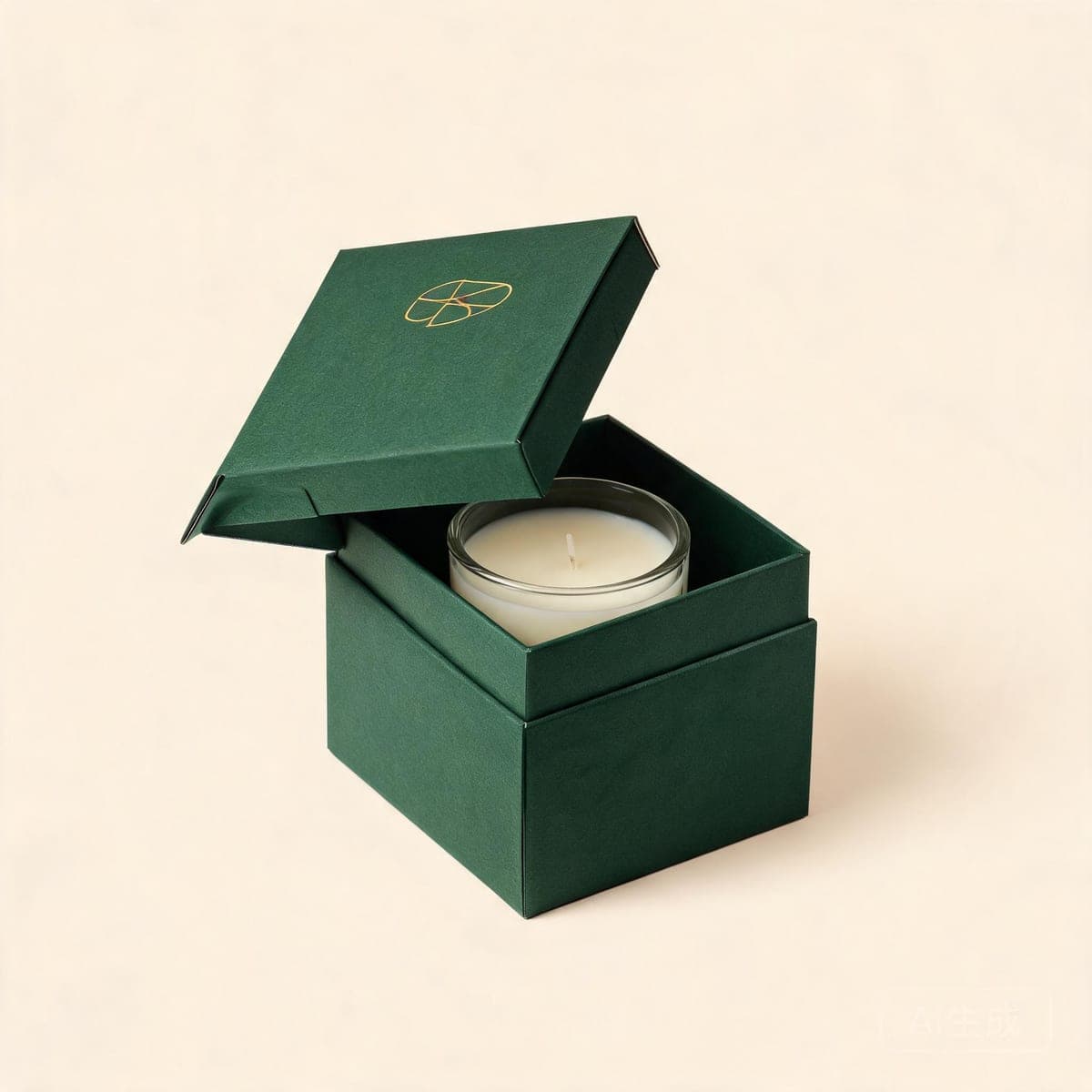
A candle box has three jobs: protect a glass vessel through a rough parcel journey, signal a price point that justifies your margins, and create an unboxing moment worth sharing. Get the box wrong and you pay for it in breakage claims, poor reviews and returns; get it right and the packaging becomes part of the product.
This guide walks through the decisions that matter most when you choose custom candle packaging — sizing, structure, inserts, materials, finishes, cost and timeline — with practical numbers you can take into your first conversation with a manufacturer.
Start with the vessel, not the box
Every good candle box begins with three measurements: the outer diameter of the jar (including any label or sleeve), its height with the lid on, and its filled weight. Add a small allowance around the vessel for the insert wall — usually 3–5 mm per side — and enough height to close the lid without pressing on the top of the candle.
| Candle size | Typical jar (Ø × H) | Suggested inner box size (L × W × H) |
|---|---|---|
| 4 oz / 113 g | 68 × 70 mm | 76 × 76 × 78 mm |
| 8 oz / 227 g | 80 × 90 mm | 88 × 88 × 98 mm |
| 12 oz / 340 g | 85 × 105 mm | 93 × 93 × 113 mm |
| 16 oz / 454 g | 90 × 120 mm | 98 × 98 × 128 mm |
The table below shows typical starting points for common jar sizes. Treat them as a guide only: insert thickness, lid style and the tolerance of wrapped paper all change the final internal dimensions, which is why we make a physical sample before production.
Choose the box structure that matches how you sell
Rigid candle boxes come in a handful of proven structures. The right one depends on whether you ship direct to consumers, sell through retail or offer gift sets.
| Structure | Best for | Unboxing feel | Relative cost |
|---|---|---|---|
| Magnetic flap box | Single candles, DTC and gifting | Premium — a clean magnetic close | $$ |
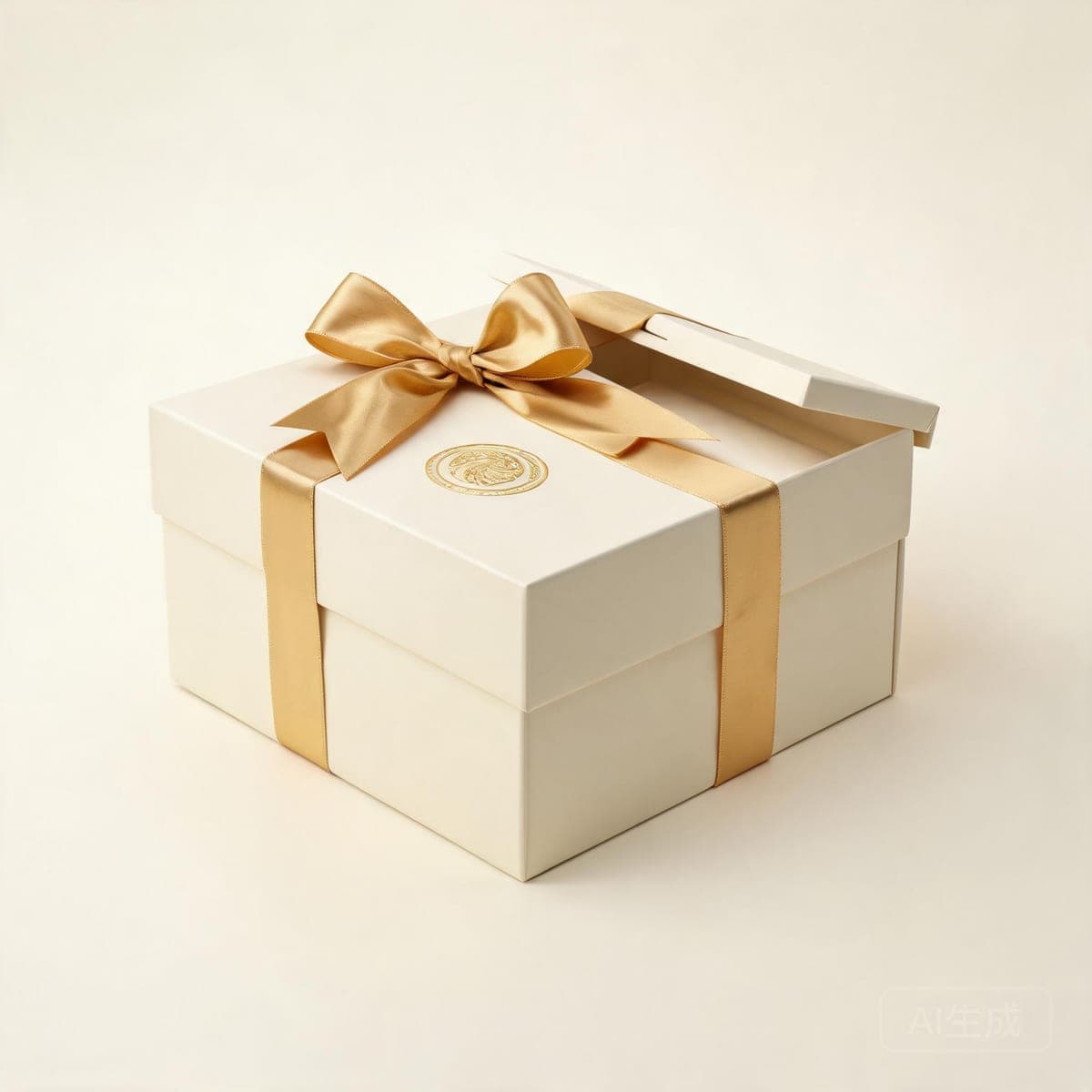
| Lid-and-base box (two-piece) | Tall candles, seasonal sets, retail shelves | Classic and elegant | $$ |
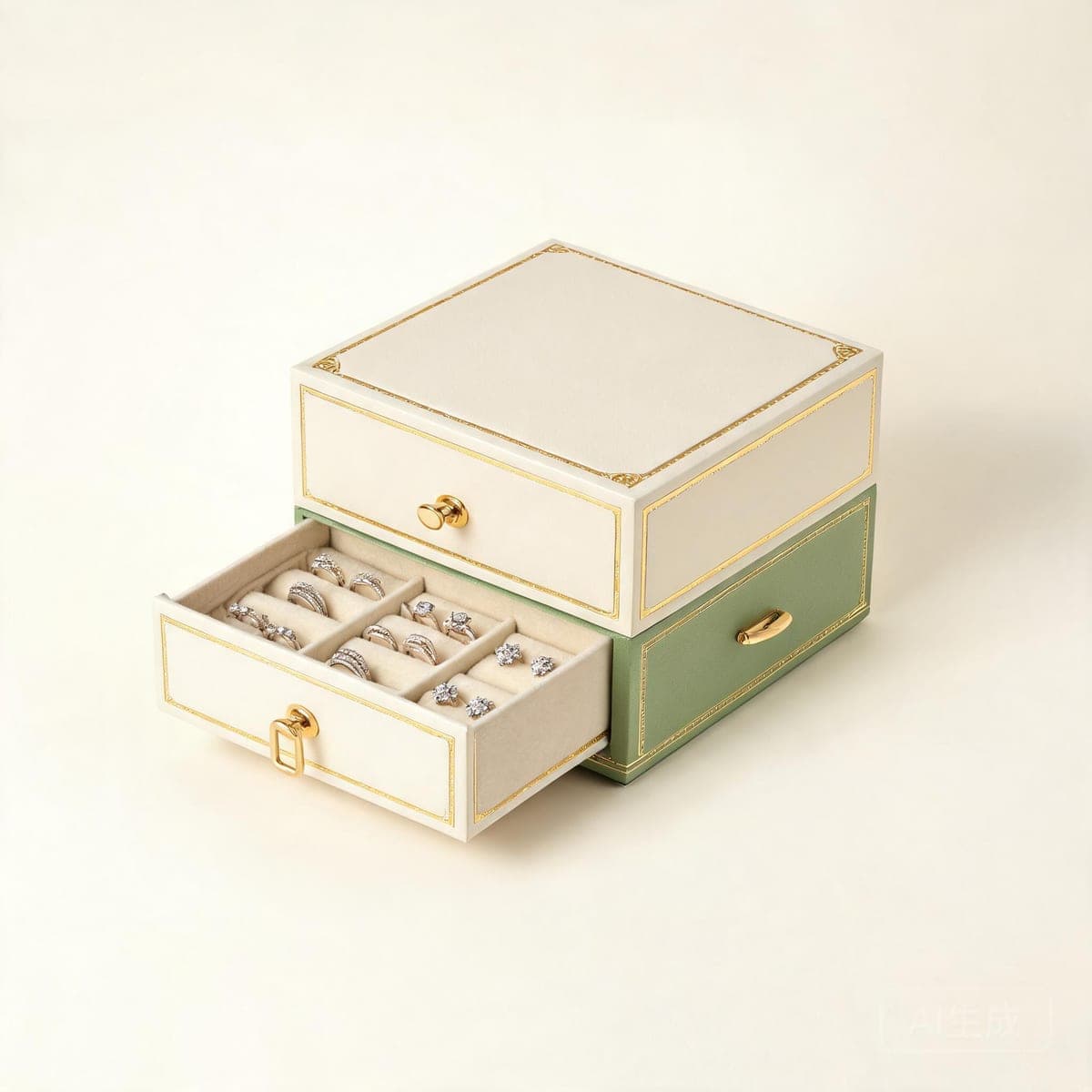
| Drawer / slide box | Subscription and multi-item sets | Interactive and modern | $$$ |
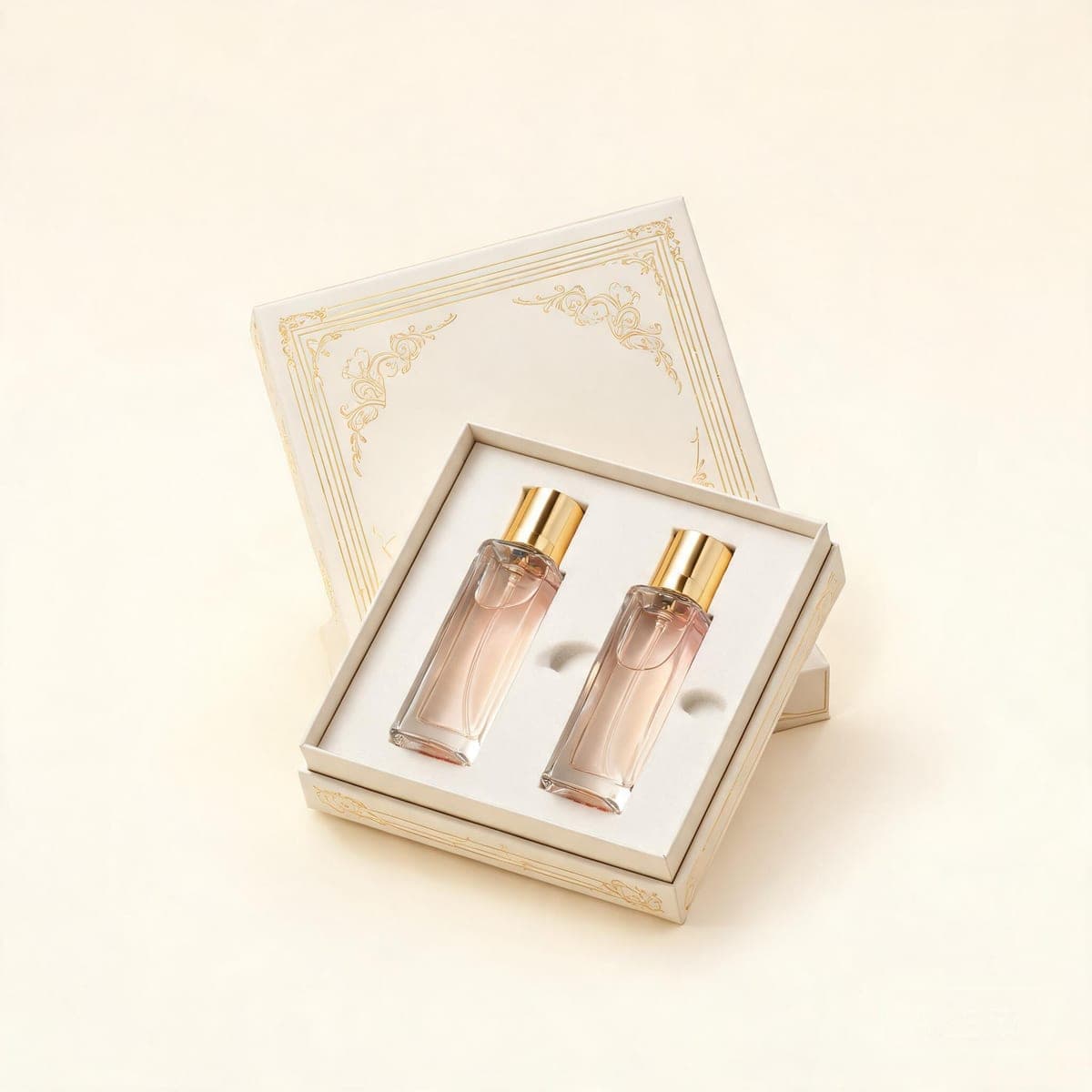
| Book-style box | Gift sets and hero launches | Dramatic — opens like a book | $$$ |
If your candles travel by parcel, remember that a rigid box is a presentation layer, not a shipping carton. Most brands ship the rigid box inside a corrugated mailer, or choose a rigid vessel mailer with a fitted foam nest.
Protect the glass: inserts that actually work
Glass jars are the fragile element. Rigid grayboard gives crush resistance, but the insert decides whether the vessel survives a drop.
- EVA or foam nest — cut to the jar profile; the strongest protection for DTC parcels
- Molded pulp — a plastic-free, recyclable option that suits eco-focused brands
- Paperboard collar or divider — lightweight and economical for retail-only or gift-set packaging
- Reinforced base and corners — thicker board on the bottom panel helps heavier 12–16 oz candles resist crushing
Whatever you choose, test it. Fill the sample with a real candle, close the lid and drop-test it inside its shipping carton. Many brands validate parcel packaging with ISTA 3A-style drop and vibration tests before ordering the full run.
Pick materials and board thickness
For a single candle up to 12 oz, 1.5–2.0 mm rigid grayboard is the usual balance of strength and cost. Heavier 16 oz candles, sets and drawer boxes generally benefit from 2.0–2.5 mm. The wrapped paper then sets the look: coated art paper for sharp colour, textured paper for a hand-made feel, kraft for natural brands.
Candles add one extra consideration: fragrance oil. Oils can migrate into uncoated paper and leave marks, so use a laminated or coated exterior — and a paper lining or insert wrap where the box touches the vessel. FSC-certified board and paper are available on request if sustainability is part of your story.
Finishes that signal a premium candle
The finish decides how the box reads on a shelf or in a product photo. Start with one hero finish and let it do the work.
- Soft-touch lamination — a velvety matte surface that suits scented and wellness brands
- Hot foil stamping — gold, rose gold or silver for the logo, a border or the scent name
- Embossing / debossing — a tactile logo without extra ink
- Spot UV — glossy contrast on a matte box for a pattern or brand mark
- Interior print — a coloured or patterned lining makes the opening moment feel designed
Avoid stacking several competing techniques. A matte black box with one gold foil logo almost always looks more expensive than a box with foil, spot UV, emboss and a gradient all fighting for attention.
Plan for labelling and compliance
Candle packaging usually carries safety warnings, burn instructions, net weight and fragrance information. Requirements differ by market — many US brands follow ASTM F2058 for fire-safety warning labels, and the EU has its own labelling rules. Confirm the required text with your compliance advisor early, and leave space for it in the dieline so you do not have to squeeze it onto the base at the last minute.
What drives cost, MOQ and lead time
Six factors move the price of a candle box: box size, board thickness, wrap paper, the number and type of finishes, insert material and order quantity. At BoxSourcing, MOQ starts from 200 pieces per SKU, and every project includes a free dieline and digital proof.
| Stage | Typical time |
|---|---|
| Quote and feasibility | Within 1 business day |
| Dieline and digital mock-up | 1–2 working days |
| Physical sample | 3–5 working days after dieline approval |
| Production | 10–18 working days after sample and artwork approval |
| Transit (express / air / sea) | 3–7 / 5–10 / 20–40 days |
For holiday and launch programs, plan 6–8 weeks ahead so sampling, revisions and freight fit comfortably around your date.
Candle packaging checklist
Before you request a quote, make sure you can answer these questions:
- Jar diameter, height, lid style and filled weight
- Box structure: magnetic, lid-and-base, drawer or book-style
- Insert type, and whether you will ship inside a mailer
- Board thickness and wrap paper
- One hero finish, plus interior print if budget allows
- Warning-label text and the space it needs on the dieline
- Quantity (from 200 pcs per SKU) and target delivery date
Key Takeaway
Choose the structure for protection first, size it around the real vessel, add one hero finish, and validate with a sample before you commit to the full run. Book your lead time early.
Frequently asked questions
What size box do I need for an 8 oz candle?
For a typical 8 oz jar of about Ø80 × 90 mm, an inner box size of roughly 88 × 88 × 98 mm is a good starting point, including space for a fitted insert. Send us your exact jar dimensions and we will confirm the size with a free dieline and a physical sample.
Are magnetic boxes safe for shipping candles?
A magnetic rigid box protects and presents the candle, but it is not designed to be a shipping carton on its own. For parcel delivery, either pack the rigid box inside a corrugated mailer or use a rigid vessel mailer with a foam insert, and drop-test the sample before you order.
Can I print on the inside of the box?
Yes. Interior printing and coloured or patterned lining paper are common upgrades that make the unboxing moment feel intentional. Mention it when you request a quote.
What is the minimum order for custom candle boxes?
Our MOQ starts from 200 pieces per SKU, with a free dieline and digital proof included. Larger quantities lower the unit price because tooling and setup are spread across more boxes.
Explore related pages
Ready to create your packaging?
Send us your box type, quantity and dieline — we reply with a custom quote within one business day.
Request a Quote