Sourcing
Low MOQ Custom Packaging: Launch Luxury Boxes at 200 Pieces
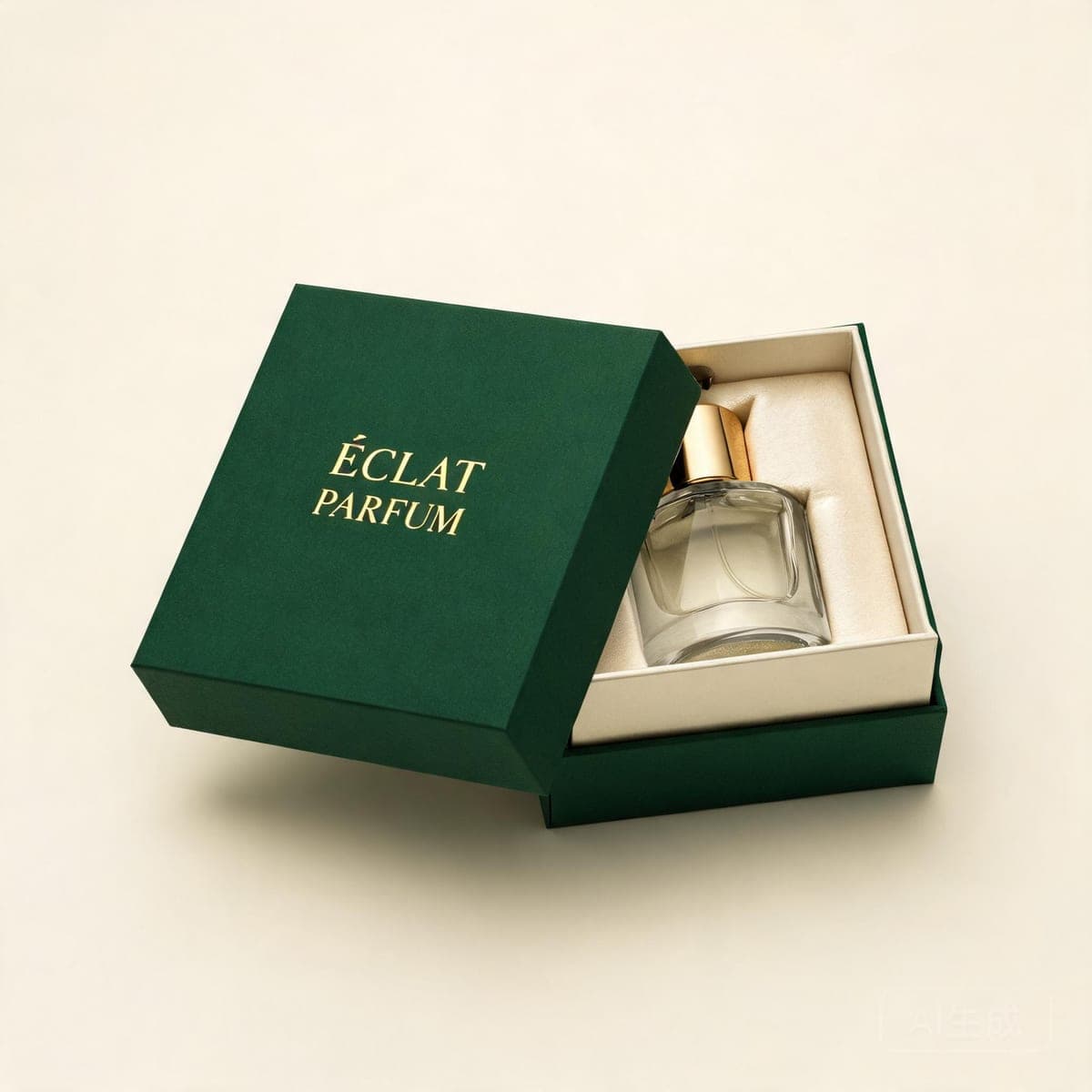
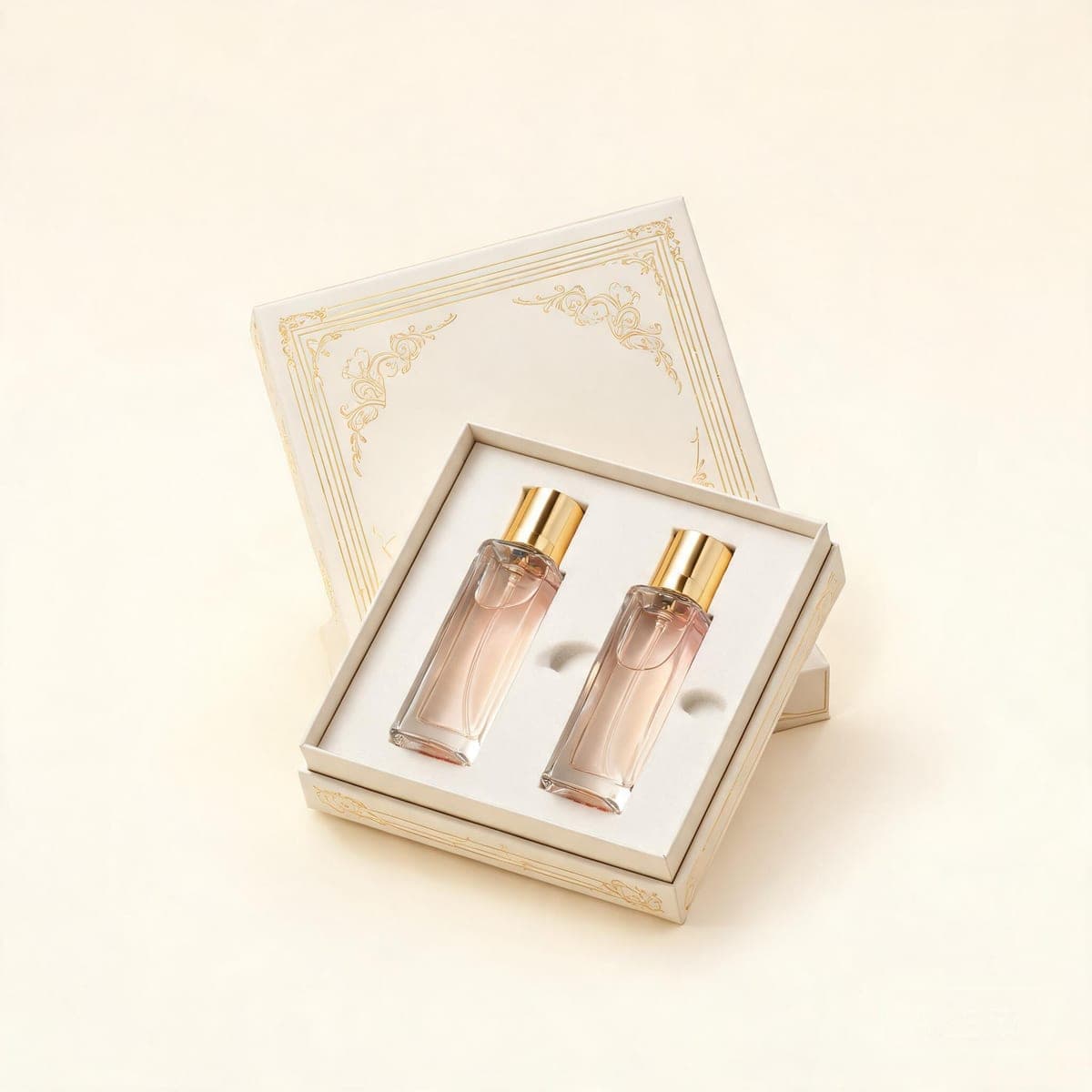
The biggest myth in packaging is that luxury boxes require massive minimums. For many new brands, a 5,000-piece requirement means either overspending on inventory or settling for a plain mailer. In reality, a modern rigid box factory can run premium boxes from 200 pieces per SKU.
This guide explains why minimums exist, what you can realistically get at 200–500 pieces, how to keep costs sensible, and how to plan your first three orders as your brand grows.
Why MOQs used to be so high
Rigid boxes are made in several steps: printing large sheets, laminating, die-cutting board, wrapping and assembly. Each step needs machine setup, plates, dies and skilled operators. Traditionally, factories needed thousands of units to spread that fixed cost across enough boxes.
Two things changed that. Factories with an in-house library of standard structures no longer need new tooling for every project, and digital proofing and short-run printing cut the setup cost of small orders.
How small runs work today
Low MOQ is not a promotion — it is the result of how the factory is organised.
- Proven dielines — start from an existing structure in a library of proven dielines instead of custom tooling
- One factory, all steps — printing, finishing, wrapping and assembly under one roof mean fewer hand-offs and less setup waste
- Digital proofing and short-run printing — colour and layout are checked before the press runs
- Standard boards and papers — common stock avoids special-order material minimums
What is realistic at 200, 500 and 1,000+ pieces
Most of the premium toolkit is available even at 200 pieces. The table shows where quantity starts to matter.
| Feature | 200 pcs | 500 pcs | 1,000+ pcs |
|---|---|---|---|
| Magnetic closure or lid-and-base structure | Yes | Yes | Yes |
| Custom logo and full-colour print | Yes | Yes | Yes |
| Soft-touch lamination | Yes | Yes | Yes |
| One hot-foil or emboss accent | Yes | Yes | Yes |
| Multiple foil colours or complex multi-level emboss | Higher setup per piece | Good fit | Best value |
| Custom multi-compartment insert | Higher setup per piece | Good fit | Best value |
| Unit price | Highest | Lower | Lowest |
The pattern is simple: features that need extra plates, dies or hand assembly cost more per piece at small quantities. Keep to one or two hero finishes on your first run and add complexity when volumes justify it.
Seven ways to keep a small run affordable
These choices reduce setup cost without making the box look cheaper:
- Start from an existing dieline rather than a fully custom structure
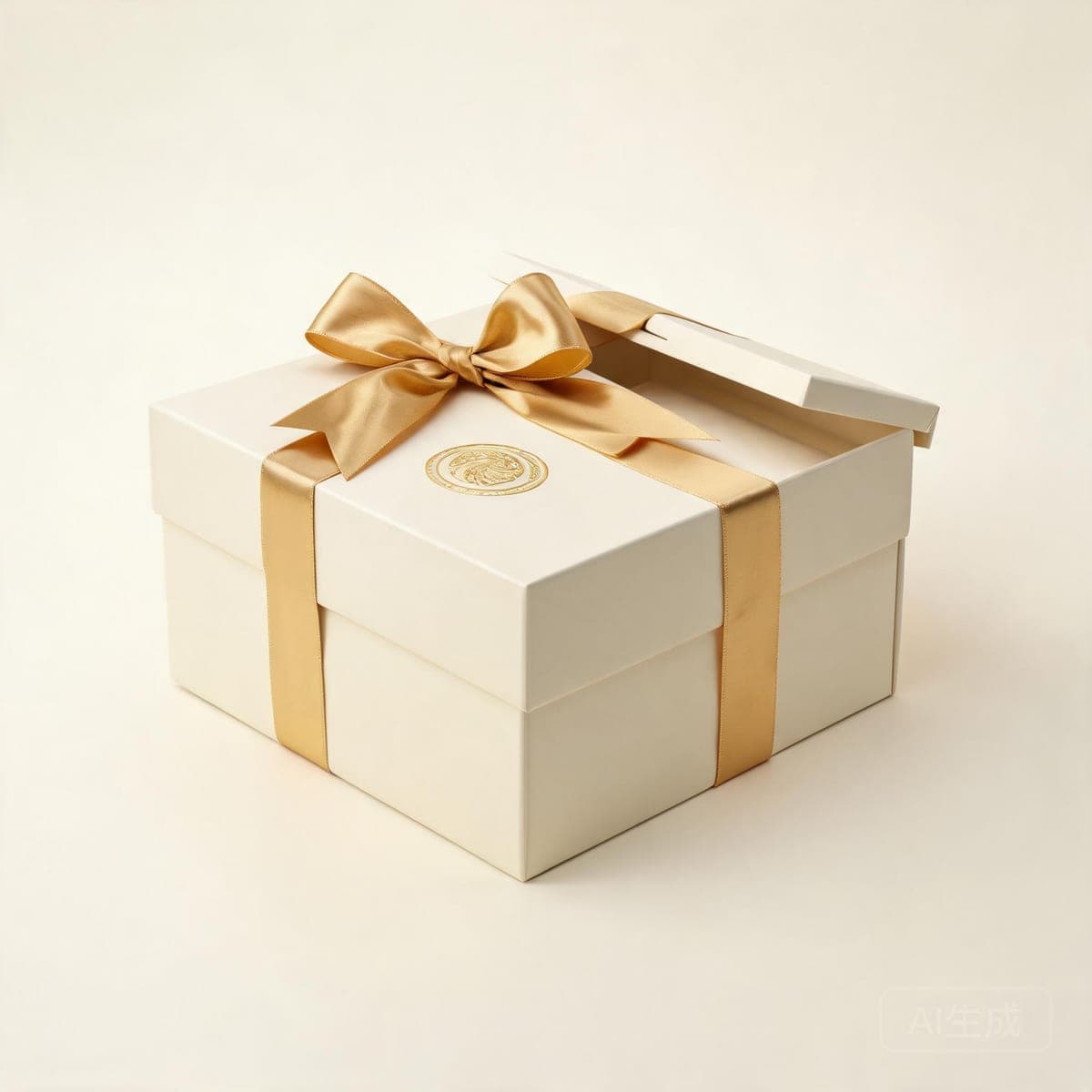
- Choose one hero finish — for example a gold foil logo on a matte box
- Use standard board thickness and common papers
- Limit the number of Pantone colours
- Design one box that fits several products with different inserts
- Approve the sample quickly to avoid extra revision rounds
- Consolidate freight instead of splitting into several shipments
Plan your first three orders
Treat packaging as a programme, not a one-off purchase.
| Order | Quantity | Goal |
|---|---|---|
| 1 — Pilot | 200–300 pcs | Validate fit, look and customer response |
| 2 — Growth | 500–1,000 pcs | Lower the unit price; add a second SKU or finish |
| 3 — Scale | 2,000+ pcs | Lock in best pricing; plan seasonal launches |
We keep your dieline, artwork and material specification on file, so reorders skip the dieline and sample steps and are usually faster.
Three illustrative 200-piece launches
These examples show how different brands typically spec a first run. They are illustrations of common choices, not client case studies.
| Brand type | Quantity | Typical specification | Why it works |
|---|---|---|---|
| Candle studio — holiday gift set | 200 pcs | Magnetic flap box, 2.0 mm board, soft-touch wrap, gold foil logo, EVA nest | One hero finish; the insert protects the glass jar in parcel shipping |
| Skincare start-up — first retail launch | 300 pcs | Lid-and-base box, coated paper, matte lamination, one Pantone colour, paperboard insert | Clean, shelf-ready look with low setup cost |
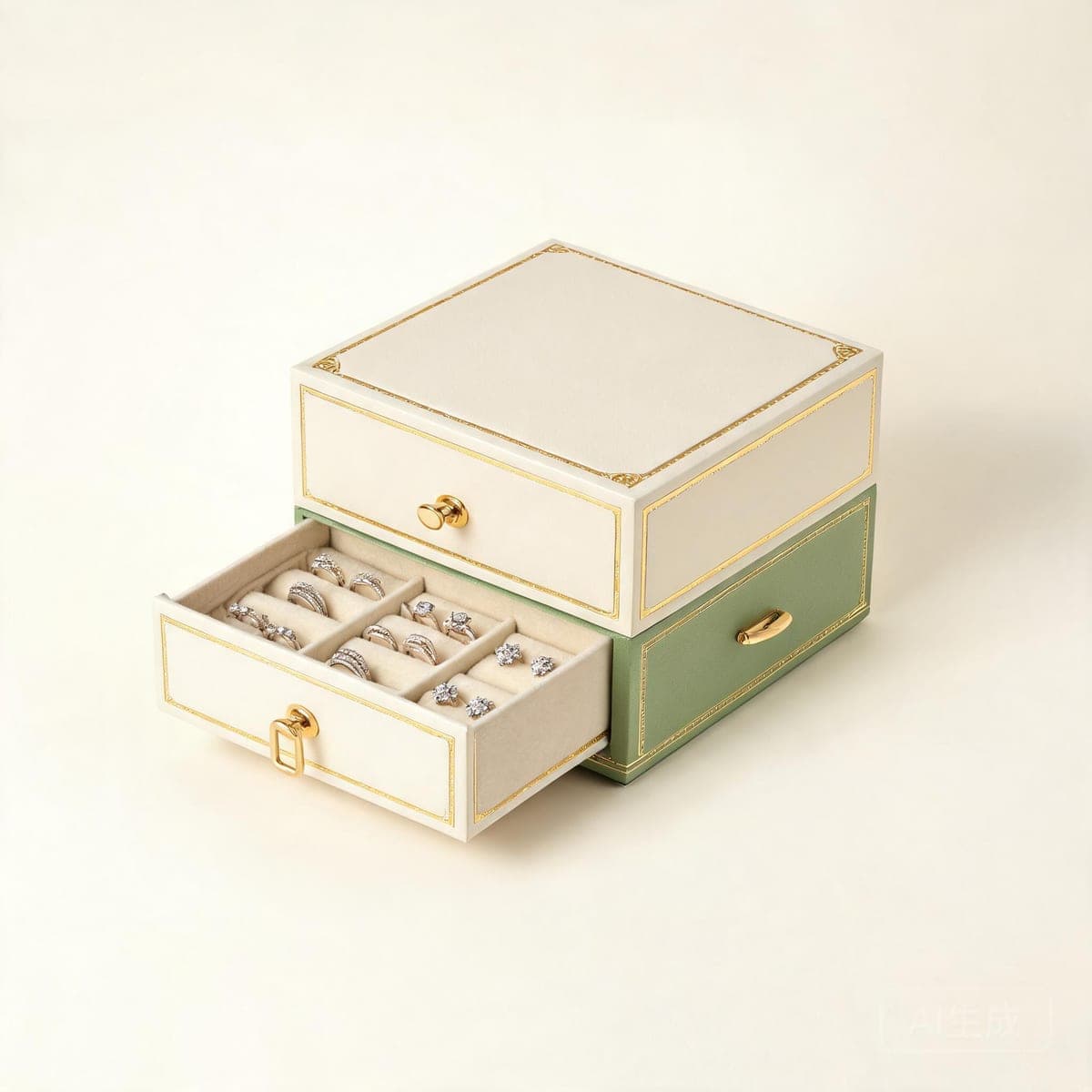
| Jewelry label — collection drop | 200 pcs | Book-style box, textured paper, blind emboss, velvet insert | Tactile material carries the premium feel without extra print colours |
Look beyond the unit price
Total landed cost is more than the price per box. Include tooling or setup fees, sampling, freight, import duty and taxes, and the cost of storing inventory. A slightly higher unit price on a smaller run can be cheaper overall than a large order that sits in a warehouse for a year.
- Landed cost = box price + tooling/setup + freight + duty and taxes
- Inventory cost — cash tied up and storage space
- The cost of a weak first impression — plain packaging that undersells the product
Common mistakes to avoid
We see the same problems on first orders again and again:
- Over-designing the first run with three competing finishes
- Skipping the pre-production sample
- Ordering a size before the final product dimensions are confirmed
- Ignoring lead time and freight before a launch date
- Not planning for reorders and artwork changes
What to check on your sample before you approve it
The sample is your last low-cost chance to change anything. Review it against this list:
- Fit — does the product sit snugly without forcing the lid?
- Closure — does the magnet or lid open smoothly and close cleanly?
- Colour — does the print match your Pantone reference in daylight?
- Foil and emboss — is the position centred and the detail crisp?
- Corners and edges — are they sharp, with no visible seams or bubbling?
- Insert — does it hold the product firmly when you shake the closed box?
- Shipping test — does it survive a drop test inside its carton?
- Labelling — is there room for any required warning text or barcodes?
Send photos or a short video of the sample with your notes. We update the specification and re-sample if needed, and lock the approved sample as the standard for production.
How to brief a factory for a small run
A clear brief gets you an accurate quote faster. Send:
- Product dimensions and weight, or a sample
- The quantity range you are considering (for example 200 / 500 / 1,000)
- Reference photos of boxes you like
- Your logo and brand colours (Pantone codes if you have them)
- Target unit price and delivery date
Key Takeaway
Low-MOQ rigid packaging is real. Start from 200 pieces with a proven structure and one hero finish, approve a sample, and let a pilot run prove the box before you scale.
Frequently asked questions
What is the minimum order quantity for custom rigid boxes?
At BoxSourcing, MOQ starts from 200 pieces per SKU. Every project includes a free dieline and digital proof, and samples are free for active orders.
Do small orders cost more per box?
Yes. Setup, plates and tooling are spread over fewer boxes, so the unit price is higher at 200 pieces than at 1,000. Focusing on one hero finish and a proven structure keeps the difference reasonable.
Can I order several designs under one MOQ?
MOQ applies per SKU — that is, per unique box design or size. If you want several variants, ask us: variants that share the same dieline are often easier to combine.
Are samples free?
Samples are free for active orders. For a one-off sample we charge only the cost of materials and shipping, which is refundable against your first production order. Allow 3–5 working days plus courier time.
Explore related pages
Ready to create your packaging?
Send us your box type, quantity and dieline — we reply with a custom quote within one business day.
Request a Quote