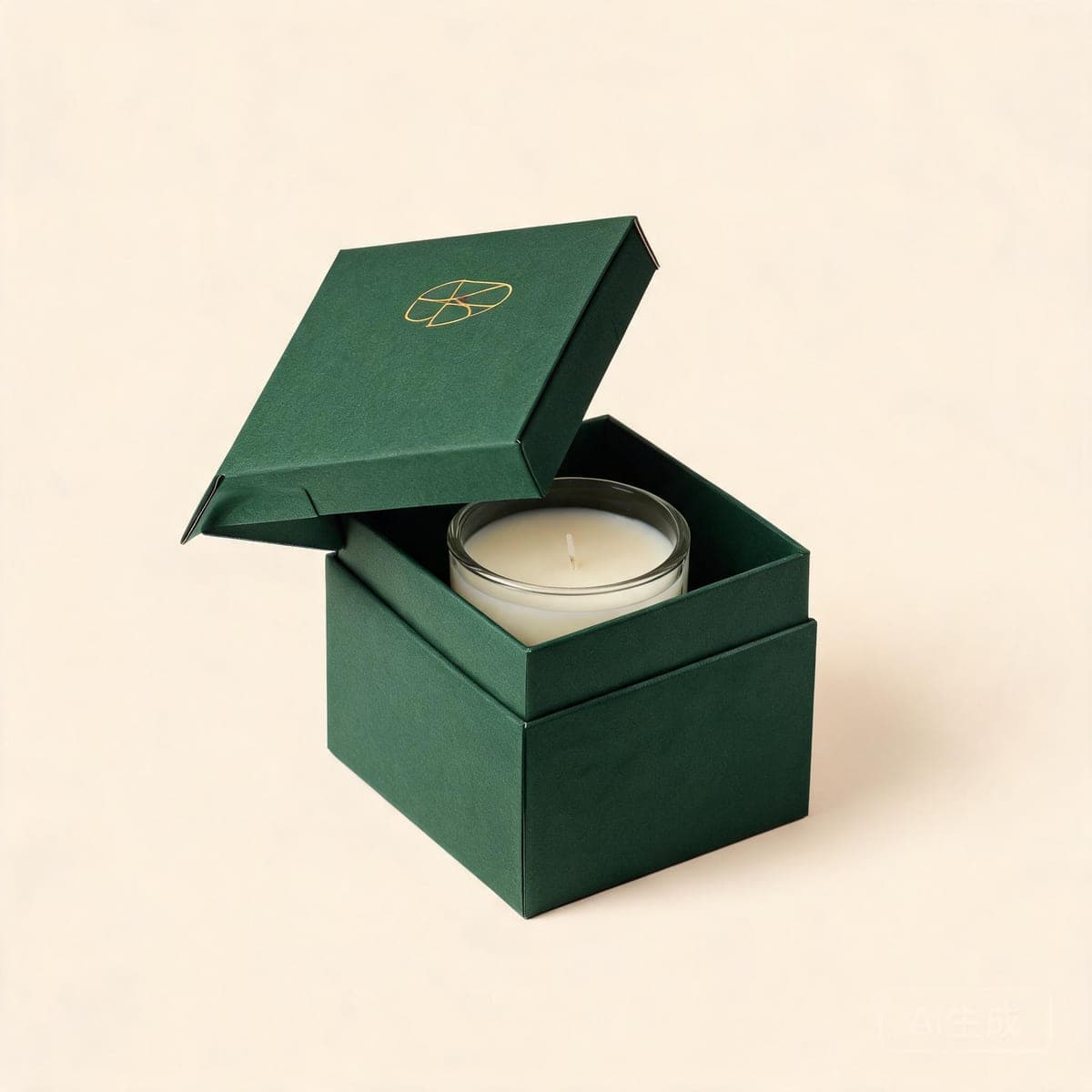
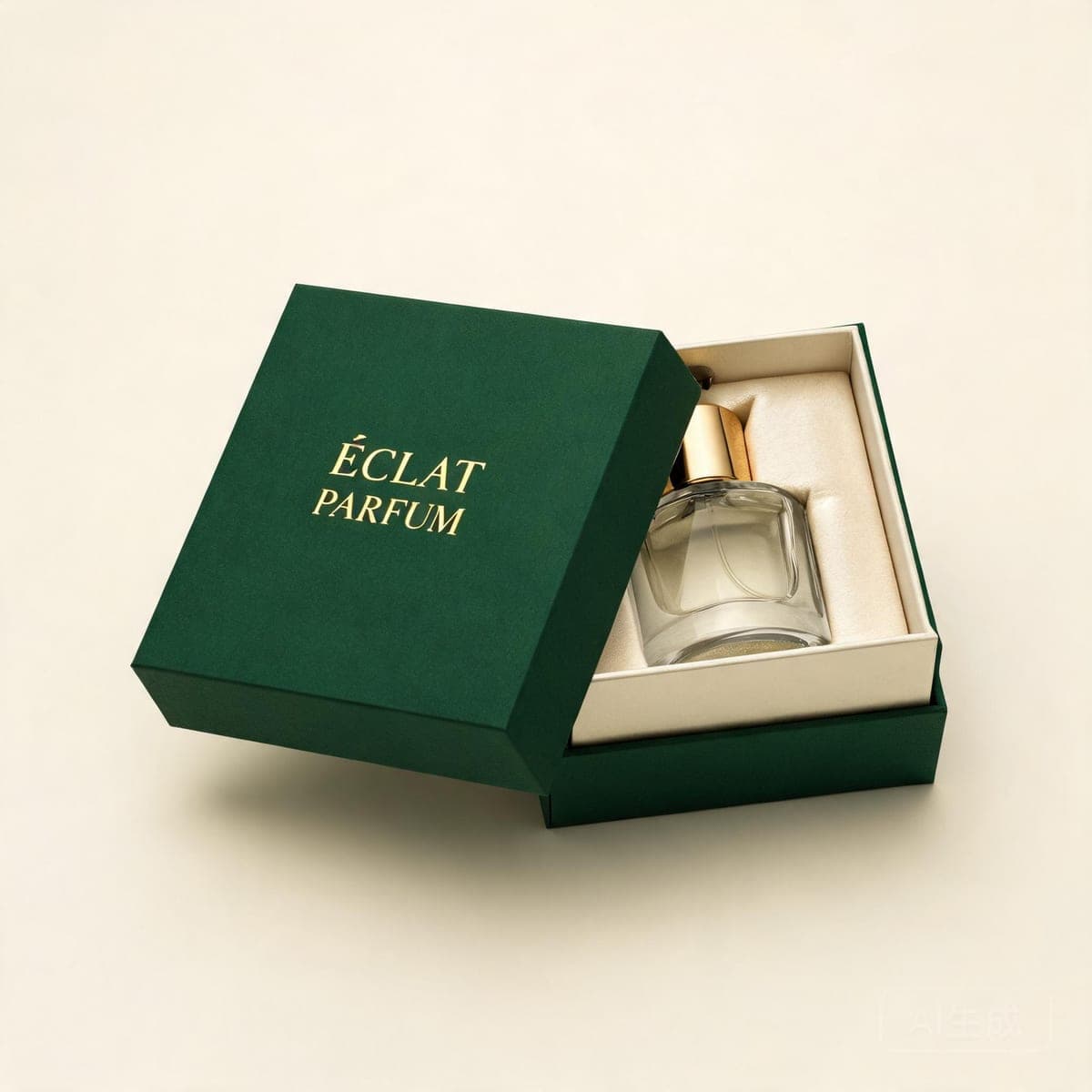
Materials
Rigid Box Materials Guide: Grayboard, Paper and Liners

The material you choose drives 90% of a rigid box’s feel, strength and printed finish. Here is a practical guide to the core materials we work with every day.
Rigid grayboard: the structural core
Grayboard is the dense recycled board that gives a rigid box its weight and strength. Its thickness — typically 1.2 to 2.5mm — determines stiffness and can be customized per wall. Reflect: magnetic boxes feel premium because of a heavier board wrapped in a smooth paper.
- Sourced as FSC-certified board on request
- Available in 1.2–2.5mm thickness
- The higher the density, the better the crush resistance
Coated vs. specialty papers
The wrapped paper is what your artwork prints onto. Coated paper gives the sharpest CMYK and Pantone color. Specialty and textured papers (linen, leatherette, woven) swap texture fidelity for a tactile, hand-felt surface that can carry a brand on its own.
Kraft and eco liners
Kraft brings a natural, artisanal look and is a favorite for food-grade and eco-conscious brands. It prints best with a matte finish and strong graphics. If sustainability is central to your brand, pair kraft with food-safe inks and FSC board for a fully traceable box.
How material affects cost
Board density and paper selection directly move cost and MOQ. Heavier board and specialty papers cost more per piece, so we always tune material to your product value — there is no point wrapping a low-cost SKU in heavy board you will never recoup.
Key Takeaway
Start with the board thickness your product needs for safety, then choose a paper for the right feel and print quality. Let your price point and sustainability story guide the rest.
Ready to create your packaging?
Send us your box type, quantity and dieline — we reply with a custom quote within one business day.
Request a Quote