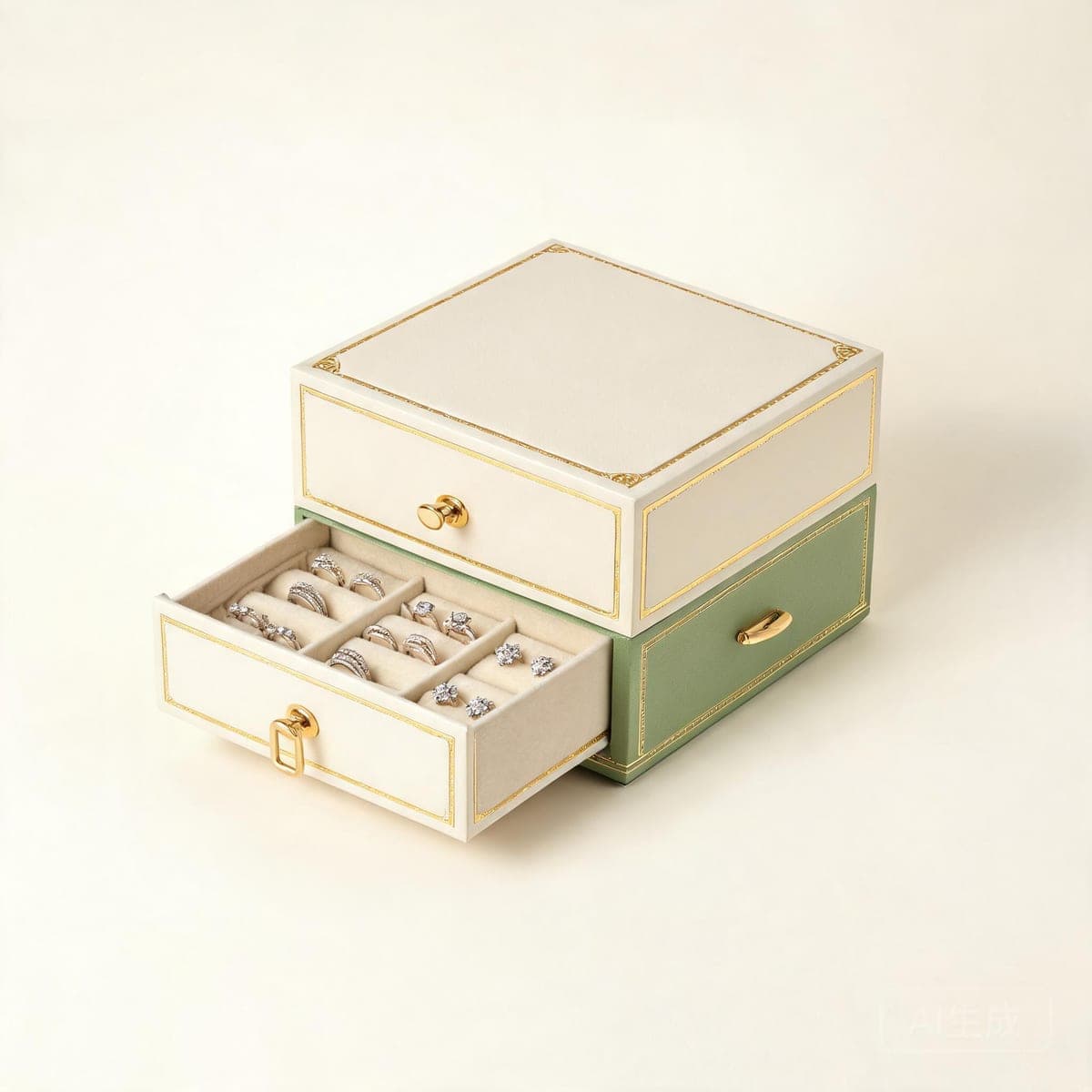
Pricing
How Much Does Custom Rigid Packaging Cost? A Pricing Guide for Brands
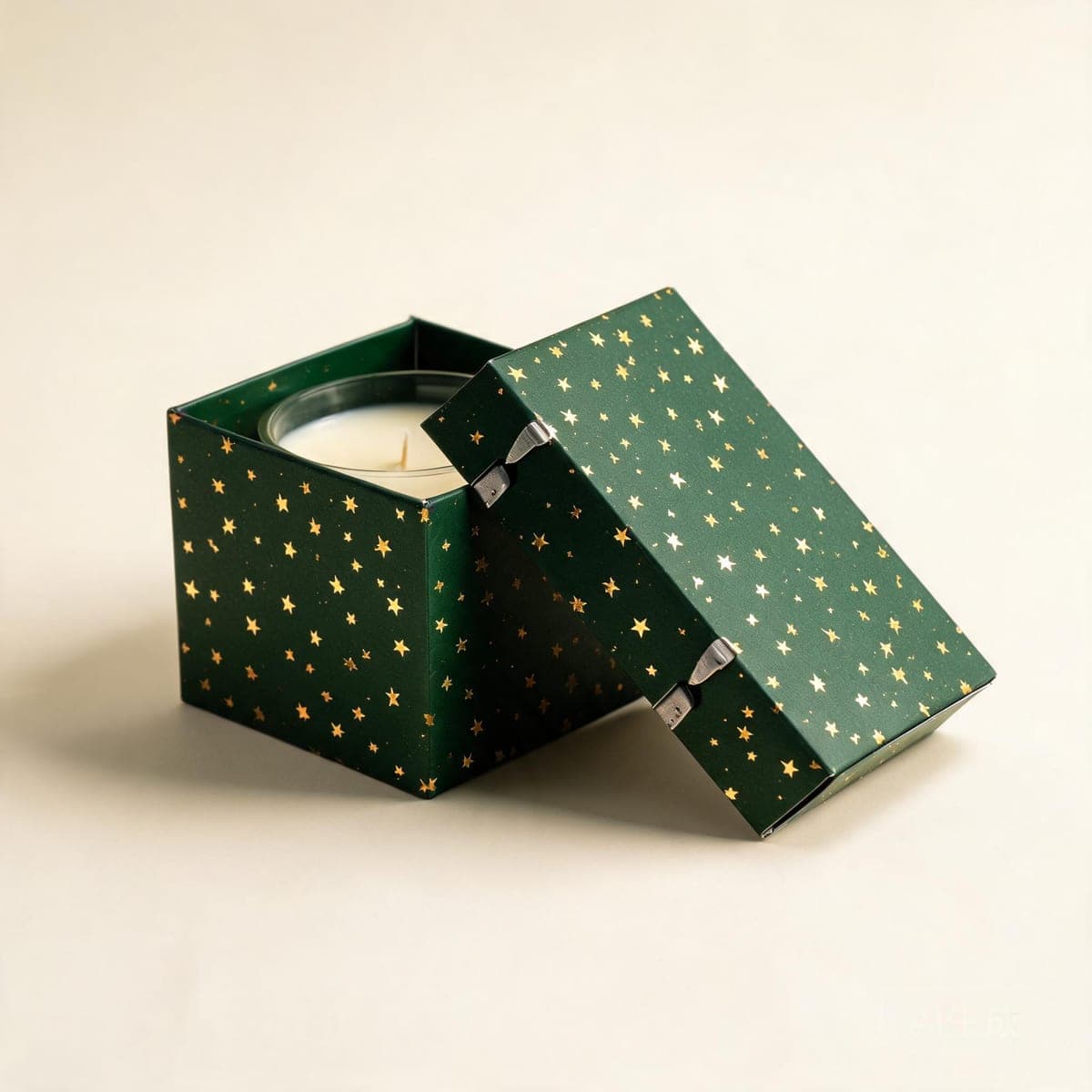
"How much will a custom box cost" is almost always the wrong first question, because the honest answer is a range wide enough to be useless on its own — a simple one-color box and a full-foil, multi-insert gift set can differ by several multiples per unit. The useful question is which choices move the price, by how much, and which of those choices actually matter for your product.
This guide breaks custom rigid packaging cost into its real components — board, surface material, finishing, inserts, volume and lead time — so you can see where your budget is actually going and where there's room to simplify without the box looking cheaper.
The five things that actually move the price
Quotes vary for real reasons, and almost all of the variance comes from five levers. Understanding them lets you read a quote instead of just comparing a single number.
| Cost driver | Low-cost end | High-cost end | Impact |
|---|---|---|---|
| Board thickness | 1.2mm | 2.5mm | Moderate — mainly a material-weight cost, scales with box size |
| Surface wrap | Standard coated art paper | Specialty textured, pearlescent or fabric wrap | Moderate to significant depending on stock |
| Finishing | Single matte lamination | Full-bleed foil + emboss + spot UV combined | Often the single largest swing factor on the unit price |
| Insert | None, or a simple paperboard divider | Precision-cut, multi-well foam or velvet tray | Significant on multi-item or fragile-product boxes |
| Order volume | 500–1,000 pcs | 10,000+ pcs | Large — unit price typically drops 15–35% from entry MOQ to volume tiers |
Where finishing drives most of the swing
Of the five levers, finishing is the one brands most often over- or under-spend on, because it's also the most visible choice.
- A single foil logo or debossed mark on a clean matte base often reads as more premium than three competing finishes on one panel — restraint is usually the cheaper and better-looking choice
- Full-bleed foil (the entire surface metallic, not just a logo) is a different production step than spot foil and costs meaningfully more — reserve it for a true flagship or limited edition, not a core SKU
- Soft-touch lamination plus a single foil accent is the most common 'premium but not maximal' combination across this catalog, and it's a good default starting point before adding anything else
- Spot UV is a low-cost way to add a shine contrast without the cost of foil — useful for a secondary logo or accent element
Volume tiers: where the real savings are
For most brands, order volume moves the unit price more than any single material or finishing choice — and it's the lever that's easiest to plan around deliberately.
Rigid box tooling (the cutting die, foil die, any mold for an insert) is largely a fixed cost spread across the run — so a 5,000-piece order doesn't just get a volume discount on material, it also amortizes tooling across five times as many units as a 1,000-piece order using the same dieline.
If you're testing a new SKU, it's often smarter to order near the MOQ with a simpler spec, confirm sell-through, then step up volume and finishing together on the reorder — rather than over-speccing a small first order that locks in a high per-unit cost before you know the product will sell.
Where to spend, where to save
Not every dollar of packaging budget earns the same amount of perceived value. A few patterns show up consistently across categories in this catalog.
- Spend on the insert if the product is fragile or multi-item — a flimsy insert is the most common source of damage claims and bad unboxing videos, regardless of how nice the outer box looks
- Spend on board thickness if the box ships loose in a larger carton or gets stacked in warehouses — this is structural, not decorative, and cutting it is a false saving
- Save by choosing one finish done well over three finishes done adequately — this is both cheaper and, almost always, better looking
- Save by right-sizing the box to the product — oversized boxes cost more in material and in outbound freight volume, with no upside
Lead time and cost aren't always in tension
Rushing a quote doesn't usually make it cheaper — it just adds risk. Lead time and price interact mainly through two channels.
| Situation | Effect on cost | Effect on lead time |
|---|---|---|
| Reusing an existing dieline | Lower — no new tooling cost | Faster — skips dieline development |
| New custom structure | Higher — one-time tooling cost amortized into the order | Slower — 3–4 weeks for dieline and sample before production starts |
| Rush production (compressed schedule) | Often a modest surcharge, not a large one | Faster, but increases quality risk — fewer QC checkpoints |
| Unusual specialty paper in low volume | Higher — minimum order quantities from paper mills apply | Slower — sourcing time, not production time, is the bottleneck |
Key Takeaway
Finishing and order volume move price more than almost anything else — spend deliberately on the insert and board where they protect the product, keep finishing to one thing done well, and plan volume in tiers rather than over-speccing a small first order.
Frequently asked questions
What's a realistic starting budget for a premium rigid box?
It depends heavily on size and finishing, but a mid-size rigid box with one foil accent and a simple insert, ordered at a few thousand pieces, is a reasonable starting point for a 'premium but not flagship' spec. Request a quote with your actual dimensions and finishing wishlist for an accurate number.
Does a smaller order always cost more per unit?
Usually, yes — tooling and setup costs are spread across fewer units. The gap between an entry-MOQ order and a high-volume order is typically in the range of 15–35% per unit, though it varies by structure and finishing.
Is full-bleed foil worth the extra cost?
For a flagship or limited-edition SKU, often yes — it's a genuinely different visual impression. For a core, everyday SKU, a single foil accent on a clean base usually delivers most of the perceived value at a meaningfully lower cost.
Can I get an accurate quote without finalizing every spec?
A rough budget range, yes, from box type and approximate size alone. An accurate quote needs board thickness, surface material, finishing and insert type confirmed — we can walk through those trade-offs with you before you lock anything in.
Explore related pages
Ready to create your packaging?
Send us your box type, quantity and dieline — we reply with a custom quote within one business day.
Request a Quote