Finishing & Printing
Foil Stamping, Embossing & Packaging Finishes: A Complete Guide
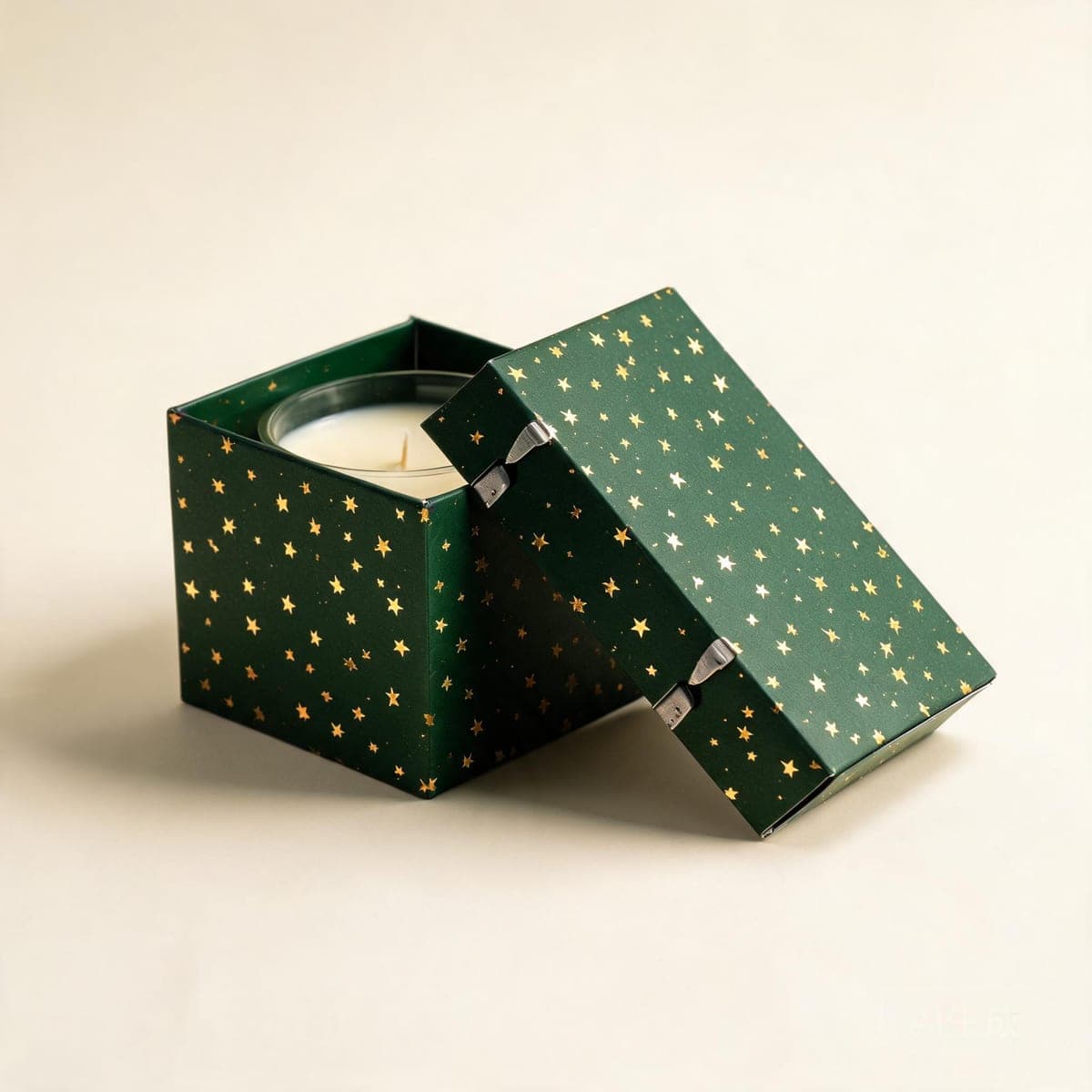
Finishing is the part of a box that customers actually touch before they read a single word — the matte or gloss surface under their fingers, the slight ridge of an embossed logo, the flash of foil catching light. It's also the part brands most often get wrong in both directions: either playing it so safe the box feels generic, or stacking three finishes on one panel until it reads as trying too hard.
This guide explains what each finishing technique actually is, how they're commonly combined, what drives their cost, and how to choose without over- or under-specifying for your price point.
The finishing techniques, explained plainly
Each of these is a distinct production step added after the box is printed, not a style choice within printing — that's part of why they cost extra and why combining several adds up quickly.
| Technique | What it is | Best for |
|---|---|---|
| Hot foil stamping | A heated die presses metallic or pigment foil onto the surface — gold, silver, rose gold, holographic and solid colors are all available | Logos, wordmarks, borders — anywhere you want a hard-edged metallic or color accent |
| Embossing | A die raises part of the design above the surface, creating a tactile bump | Textured logos, patterns felt as much as seen — pairs especially well with foil on the same mark |
| Debossing | The reverse of embossing — the design is pressed into the surface, creating a recessed impression | A quieter, more understated alternative to embossing; reads as refined rather than decorative |
| Soft-touch (matte) lamination | A velvety matte film laminated over the printed paper | The most common 'premium' base finish across this catalog — hides fingerprints, feels substantial |
| Gloss lamination | A shiny film laminated over the printed paper | High-impact color reproduction; less common for understated luxury, common for bold retail graphics |
| Spot UV | A glossy, raised varnish applied only to specific areas over a matte base | Adding shine contrast to a logo or pattern without the cost of foil |
How these combine — and when to stop adding
The finishes that read as most premium in this catalog are almost never the ones stacking the most techniques. Restraint is a technique in itself.
- Soft-touch lamination + single foil logo is the most common 'premium but not maximal' combination — it's the default to start from before adding anything else
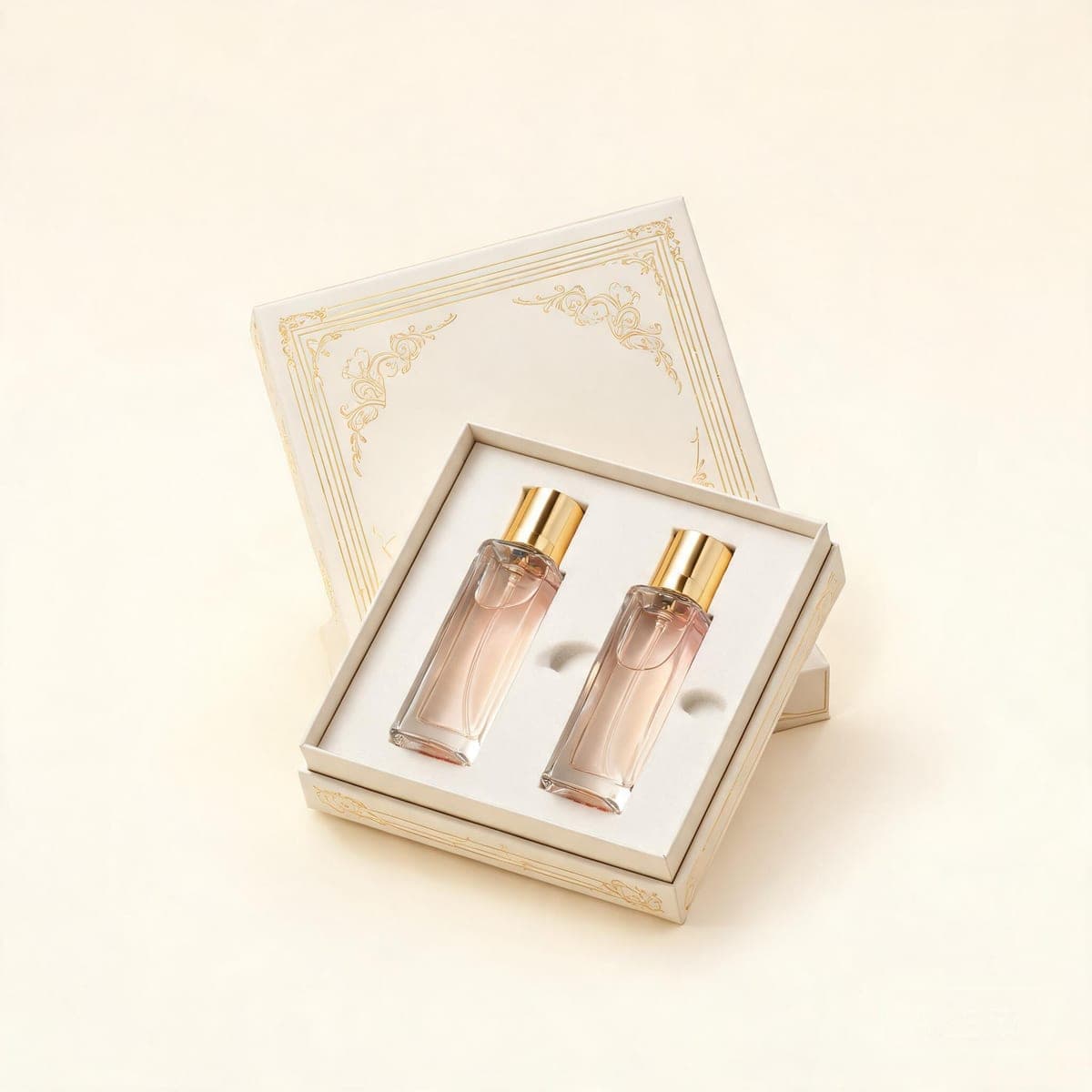
- Foil + emboss on the same mark (not two different marks) reads as the most cohesive luxury signal — a debossed outline filled with foil, for instance, rather than foil in one spot and emboss in another
- Spot UV over matte lamination is a good lower-cost alternative to foil when you want shine contrast without the metallic look
- Full-bleed foil (the entire surface, not just a logo) is a different production step than spot foil and is best reserved for a true flagship or limited edition — it's a strong visual statement, not a default
A useful test before adding a third finish to a design: cover two of the three with your hand and ask if the box still looks finished. If yes, you probably don't need the third.
What drives the cost of each finish
Finishing cost depends less on which technique you pick and more on how much surface area it covers and how many separate steps are involved.
| Factor | Effect on cost |
|---|---|
| Coverage area | A small logo costs far less than an all-over pattern — full-bleed foil is priced closer to a second print color than a finishing accent |
| Number of separate dies | Foil and emboss on the same artwork can sometimes share a die; two unrelated design elements usually need two |
| Color count (foil) | Each additional foil color is effectively a separate pass — most cost-efficient designs use one foil color |
| Combining techniques | Foil + emboss together costs more than either alone, but usually less than the sum, since they're often run on compatible equipment |
Matching finish to price point and category
Finishing choices carry different expectations depending on what's inside the box.
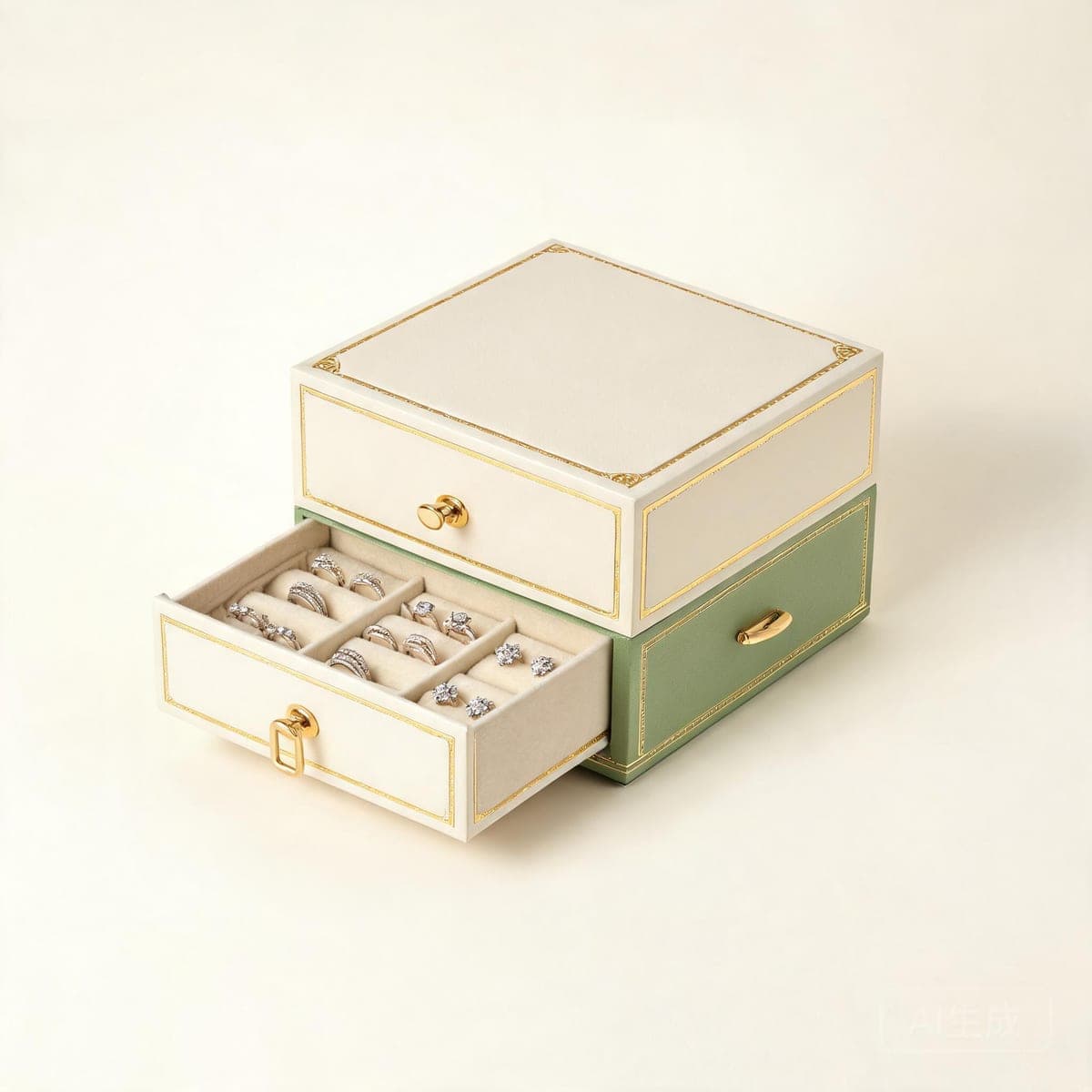
- Fragrance and fine jewelry: a single hot-foil wordmark on soft-touch lamination is the category default — the restraint itself signals confidence
- Candles and skincare: soft-touch lamination with an embossed or debossed mark (foil optional) suits the quieter, ingredient-led aesthetic many of these brands favor
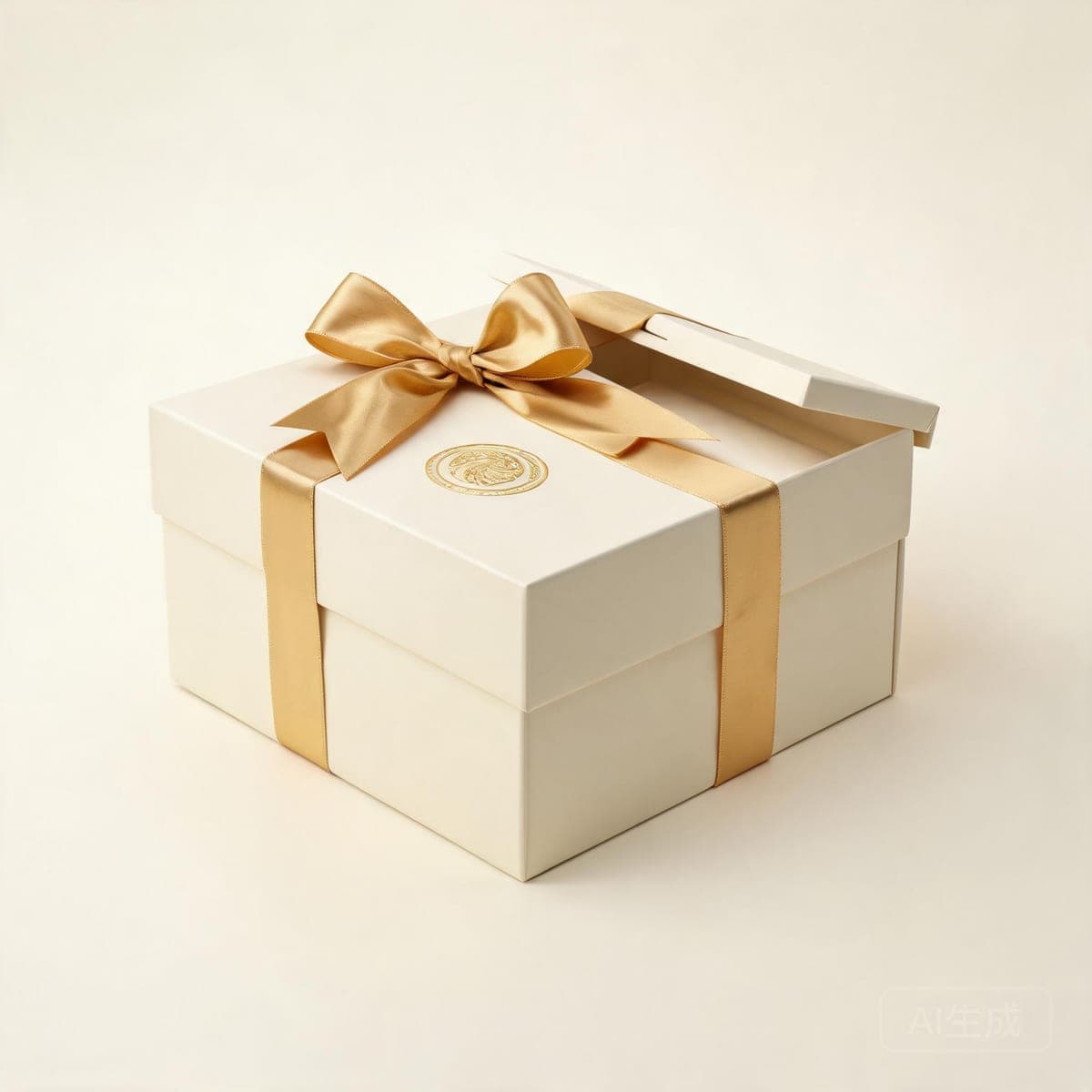
- Gift and seasonal packaging: more license to combine foil with a ribbon or emblem, since the box itself is explicitly meant to read as 'a gift', not an everyday carry item
- Mass-market and lower price points: gloss lamination with bold CMYK graphics, skipping foil and emboss entirely, usually reads as appropriately priced rather than cheap
Key Takeaway
The techniques themselves — foil, emboss, deboss, lamination, spot UV — are all genuinely good options; the mistake is usually combining too many on one panel. Start from soft-touch lamination plus one accent, and add a second finish only when you can say exactly what job it's doing that the first one isn't.
Frequently asked questions
Can I combine foil and embossing on the same logo?
Yes — this is one of the most common premium combinations, where a debossed or embossed outline is filled with foil. It's often more cost-efficient than foil and emboss on two separate design elements, since they can sometimes share tooling.
What's the cheapest way to add a premium accent?
Spot UV over a matte laminated base. It adds shine contrast to a logo or pattern without the metallic cost of foil, and works well as a restrained accent rather than a dominant feature.
Is full-bleed foil worth it for a core SKU?
Usually not — it's a strong, flagship-level statement best reserved for limited editions or a hero product. For a core, everyday SKU, a single foil accent on a clean base typically delivers most of the perceived value at a meaningfully lower cost.
How many finishes should one box have?
Most premium-reading boxes in this catalog use one or two: a base lamination (matte or gloss) plus one accent (foil, emboss, or spot UV). Three or more competing finishes on one panel usually reads as trying too hard rather than as more luxurious.
Explore related pages
Ready to create your packaging?
Send us your box type, quantity and dieline — we reply with a custom quote within one business day.
Request a Quote