Private Label
Private Label Packaging for Amazon & DTC Brands: A Sourcing Guide
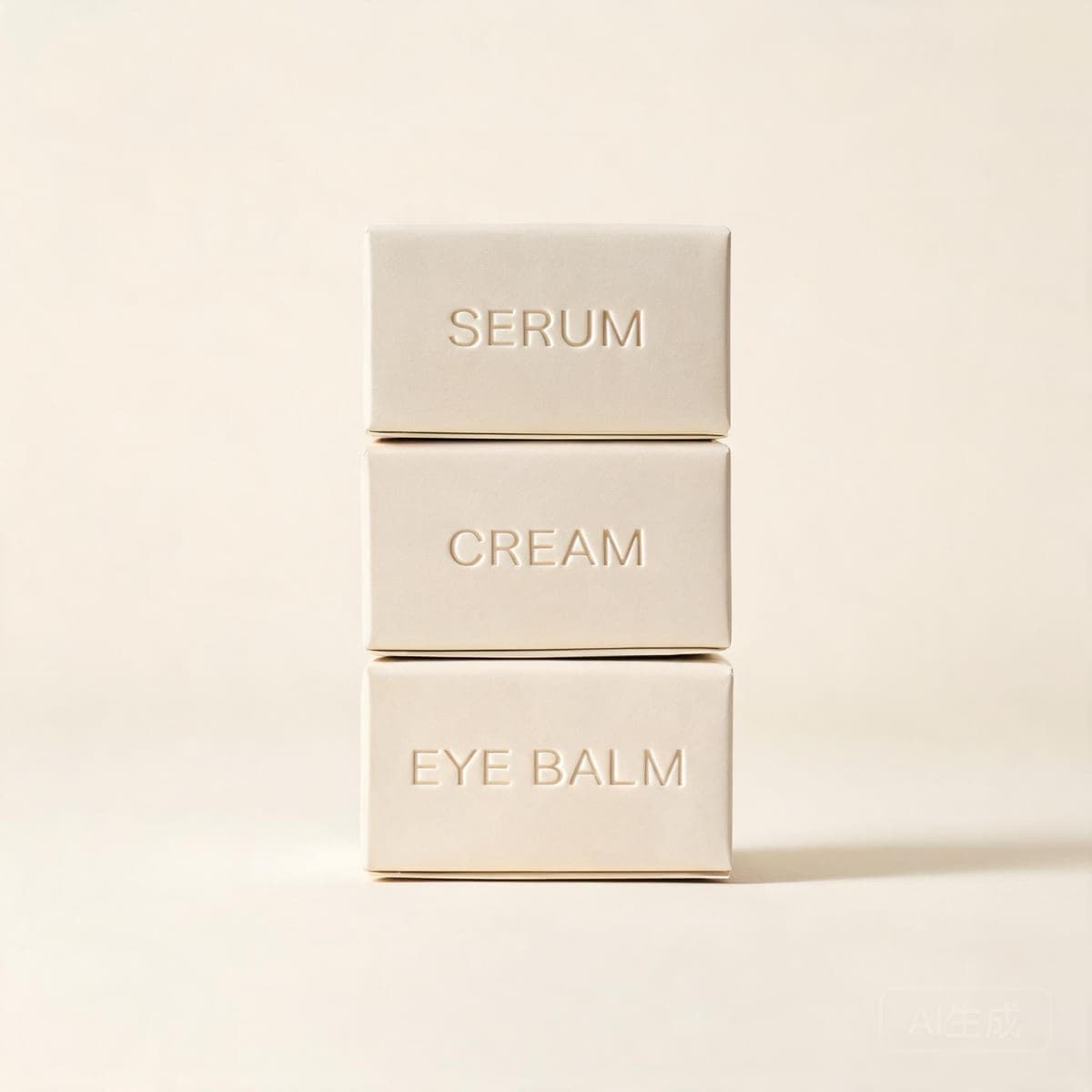
Private label and DTC brands face a packaging problem the big legacy brands don't: you need something that looks like it came from an established name, at a volume and timeline that established names never have to think about. A 500-unit first order with a six-week deadline before a launch date is a completely normal ask in this category — and a completely different planning problem than a factory's standard enterprise client faces.
This guide covers what's realistic for a first private label order — MOQ, timeline, what to lock before you commit to a dieline, and the mistakes that most often turn a first packaging order into a scramble.
What's realistic for a first order
Private label brands often come in with volume expectations shaped by folding carton or sticker-label pricing, which don't map directly onto rigid packaging.
| Structure | Realistic first-order MOQ | Notes |
|---|---|---|
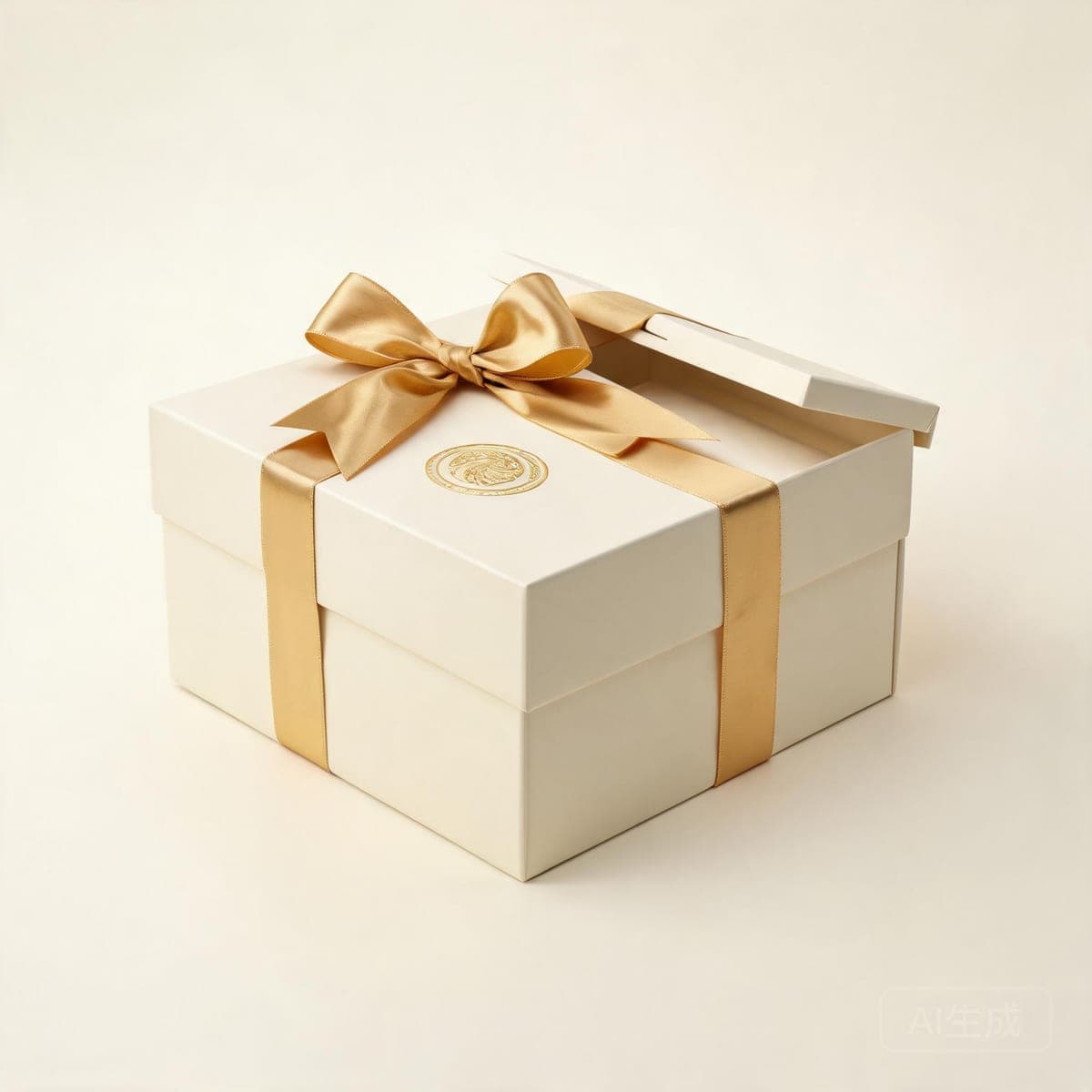
| Simple one-piece rigid box (candle, cosmetic) | 300–500 pcs | The most forgiving entry point — one dieline, one finish, no complex insert |
| Two-piece lid-and-base box | 300–500 pcs | Slightly more tooling than one-piece, similar volume threshold |
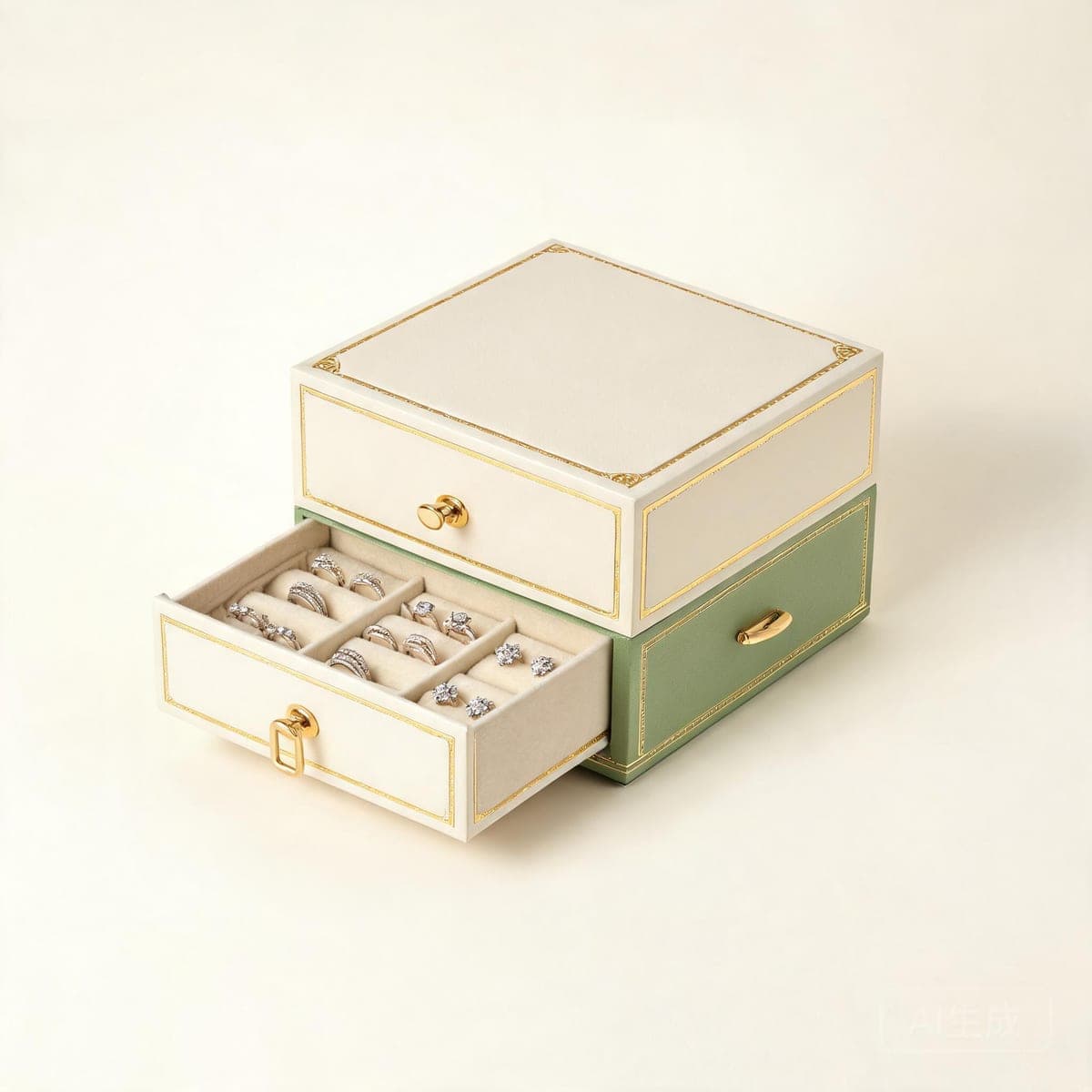
| Box with a fitted foam or velvet insert | 500–1,000 pcs | Insert tooling adds cost that needs more units to amortize sensibly |
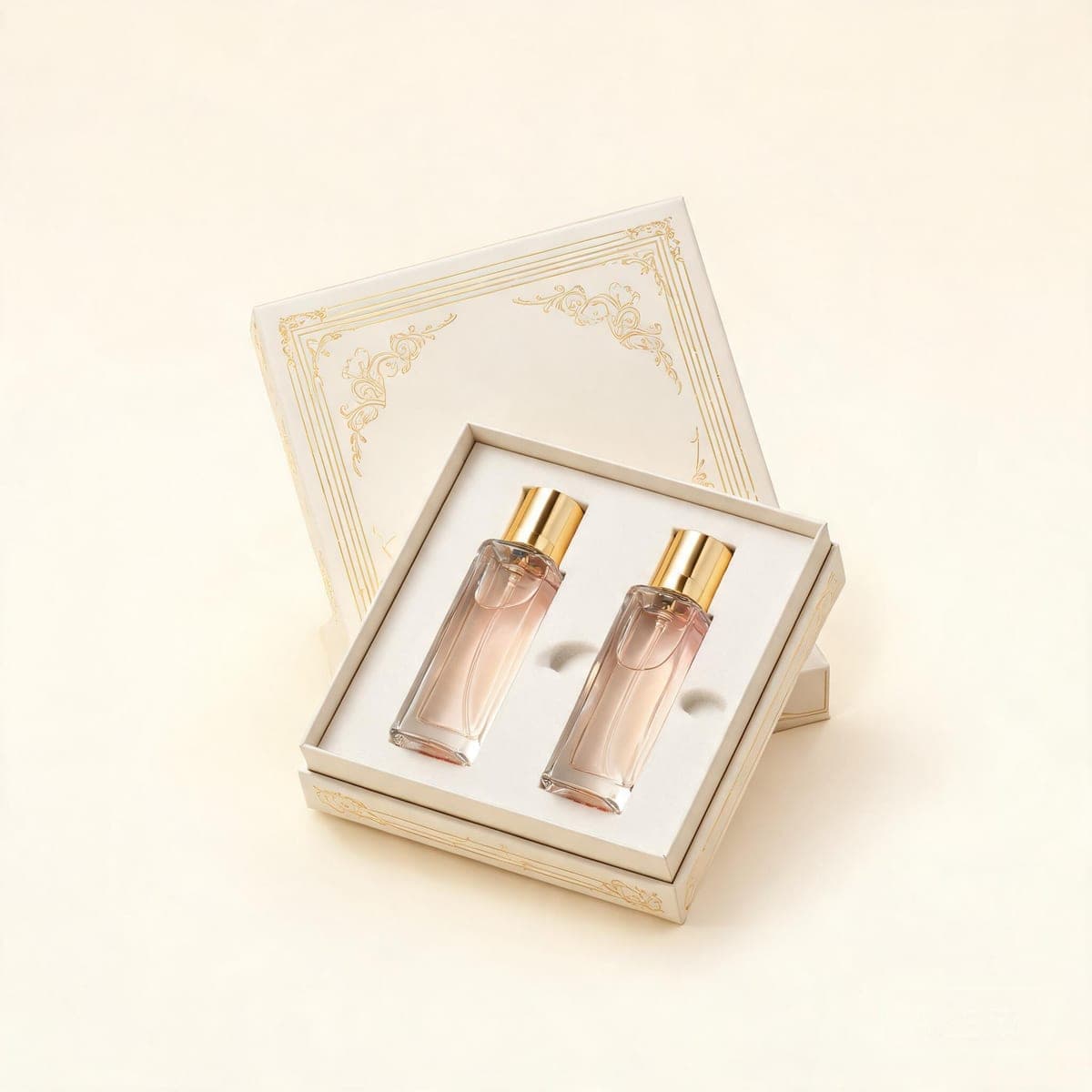
| Multi-item gift set with a tray | 300–500 pcs | Often lower than expected, since gift sets are already a lower-volume, higher-margin category |
What to lock before you commit to a dieline
A private label launch has more moving parts than packaging alone, and the box dieline depends on decisions that are easy to leave unfinished.
- Final product dimensions, including the actual container (glass bottle, jar, tube) — not an estimate, since a box sized to a placeholder rarely fits the real product
- Whether the product ships direct-to-consumer, retail, or both — a box that looks right on a shelf isn't automatically built to survive a parcel carrier, and vice versa
- Your actual launch quantity versus your aspirational one — speccing for a volume you hope to hit, not the volume you're actually ordering, is the single most common cause of an inflated first-order budget
- Brand assets in production-ready form (vector logo, confirmed Pantone or brand colors) — converting a low-res logo or an unconfirmed color under deadline pressure is a common source of last-minute delay
A realistic first-order timeline
Private label timelines fail most often because a launch date is set before the packaging timeline is confirmed, rather than the other way around.
| Step | Typical duration |
|---|---|
| Structure and dieline development (new box shape) | 1–2 weeks |
| Digital proof and revisions | 3–5 working days per round, typically 1–2 rounds |
| Physical pre-production sample | 7–10 working days after dieline/artwork approval |
| Sample shipping and review | 3–7 days depending on destination and courier |
| Production after sample approval | 12–18 working days depending on structure and finishing |
| Realistic total, new structure, from kickoff | 6–9 weeks — build in buffer, don't plan to the minimum |
The mistakes that most often derail a first order
Most problems on a first private label packaging order trace back to one of a handful of avoidable patterns.
- Designing the box before the product is finalized — a bottle shape or fill-line change after the dieline is locked usually means redoing it
- Skipping the physical sample to save time — a digital proof can't show you how the lid actually closes, how the insert actually fits, or how foil actually catches light; nearly every serious packaging problem is caught at the sample stage, not before
- Ordering the exact launch quantity with no safety margin — a damaged-in-transit allowance or a slightly higher reorder buffer is cheaper than a second small production run
- Treating packaging lead time as flexible when the launch date isn't — work backward from the hard date, including courier transit time, and confirm the factory's quoted timeline accounts for your actual order complexity, not a generic estimate
Scaling after a successful launch
The reorder, not the first order, is where private label brands usually see the real cost benefit of rigid packaging done right.
Because dieline and foil tooling are largely one-time costs amortized across a run, a second order at 2–3x the launch volume typically brings a meaningful per-unit cost improvement without changing the design at all.
This is also the natural point to reconsider finishing — if the launch SKU used a conservative single-foil spec to control first-order cost, a confirmed bestseller can often absorb a slightly more premium finish at scale without the per-unit cost rising as much as it would have on the smaller first run.
Key Takeaway
A realistic private label first order starts around 300–500 pieces for a simple structure, takes 6–9 weeks from kickoff for a new dieline, and always includes a physical sample before production. Spec conservatively for your actual launch quantity, then upgrade finishing or volume on the reorder once the SKU proves itself.
Frequently asked questions
Can I order rigid packaging for a first private label run under 500 units?
Yes, for most simple structures — a one-piece or two-piece rigid box typically starts around 300 pieces. Boxes with a fitted insert or more complex tooling usually need a slightly higher minimum to make the tooling cost reasonable.
How far ahead of my launch date should I start?
For a new box structure, 6–9 weeks from kickoff to stock in hand is a realistic planning window, including a physical sample round. Reusing an existing dieline with new artwork can be considerably faster.
Do I need a physical sample, or is a digital proof enough?
A physical sample, even for a straightforward structure. Digital proofs can't show closure fit, insert fit, or how foil and emboss actually look and feel — nearly all serious issues are caught at the sample stage.
What's the biggest budgeting mistake first-time brands make?
Speccing the box for an aspirational volume rather than the actual launch quantity, which inflates the first-order budget without a corresponding sales guarantee. It's usually better to spec conservatively for the real launch number and upgrade finishing or volume on a confirmed reorder.
Explore related pages
Ready to create your packaging?
Send us your box type, quantity and dieline — we reply with a custom quote within one business day.
Request a Quote